


.jpg)
Ethnobotany is the study of the dynamic relationships formed between people and plants over time, typically focusing on how a particular society past or present uses plants, alongside their traditional knowledge, beliefs, management methods, and classification systems. In the early days, as the influences of globalisation and mainstream culture had not yet reached deeply, the indigenous people developed a rich body of ethnobotanical knowledge, utilising locally gathered natural resources to improve their daily lives and maintain the village's prosperity. Nowadays, though the use of local plants is slowly being forgotten, some villagers still preserve these memories.
From February 2025 to January 2026, Kadoorie Farm and Botanic Garden (KFBG) partnered with Koon Man Space to carry out an ethnobotanical research project in Chuen Lung village, located on the mid-slopes of Tai Mo Shan. Through in-depth interviews with the villagers, the team identified various plants that had been used, understanding how and why they were utilised, as well as the deeper connections between people, plants, and place that evolved as a result. Concurrently, KFBG staff conducted field surveys to observe and interpret the findings from the professional perspective of contemporary plant ecology. Among the plants mentioned by the villagers, ten species that hold a significant place in their lives and memories were selected to be featured and detailed in the book Plants, People and Village Life: Ethnobotanical Stories of Chuen Lung.
Combining photographs and illustrations, these contents were previously displayed in the Flow with Big Mountain exhibition at Koon Man Space. The exhibits have now been relocated to KFBG, also located on Tai Mo Shan, to continue their showcase. Remarkably, the corresponding living plants are growing right beside the exhibits, accompanied by detailed commentary. This allows visitors to read the stories while directly observing the living plants, enabling the memories and culture of ethnobotany to flow and extend across Tai Mo Shan.
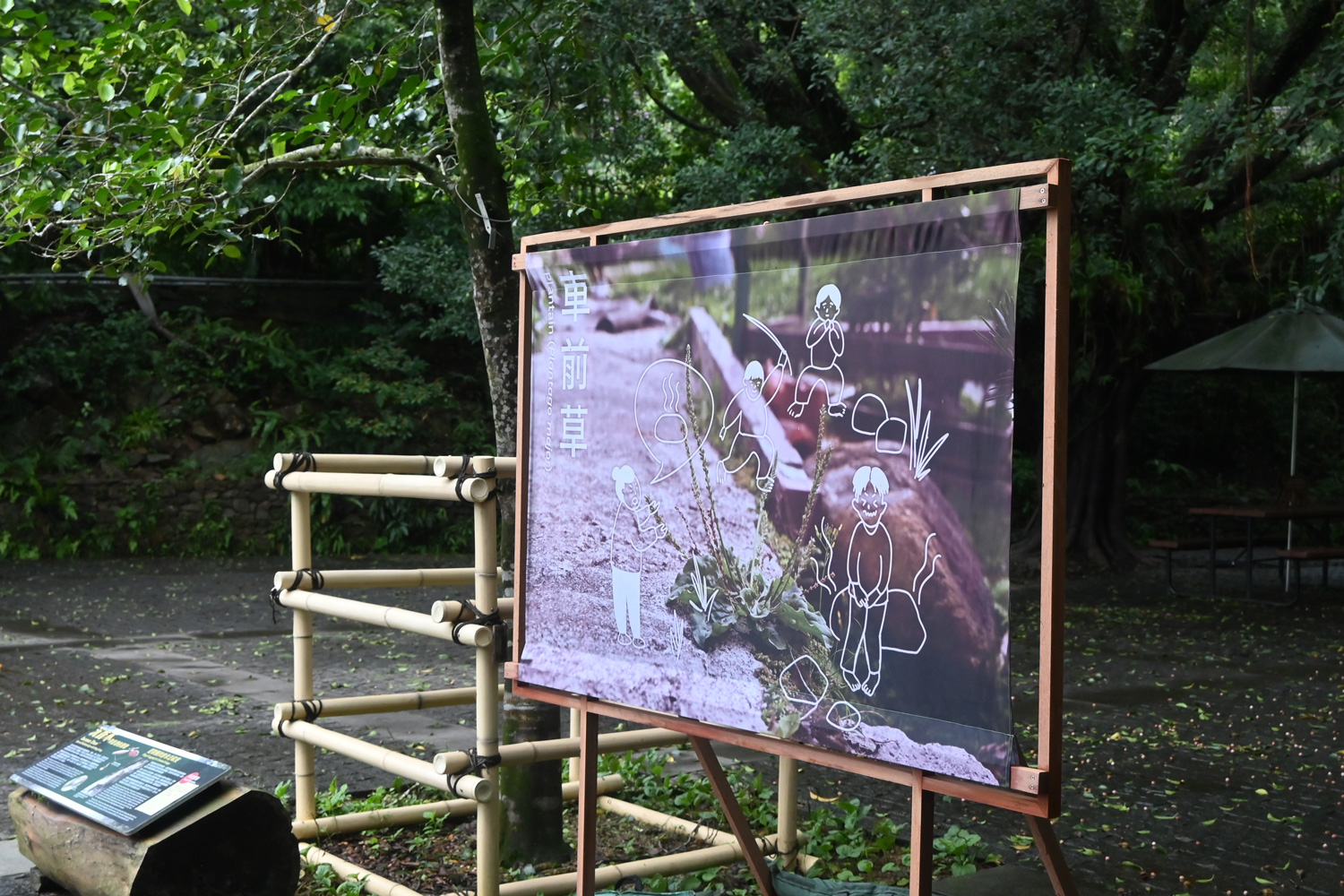
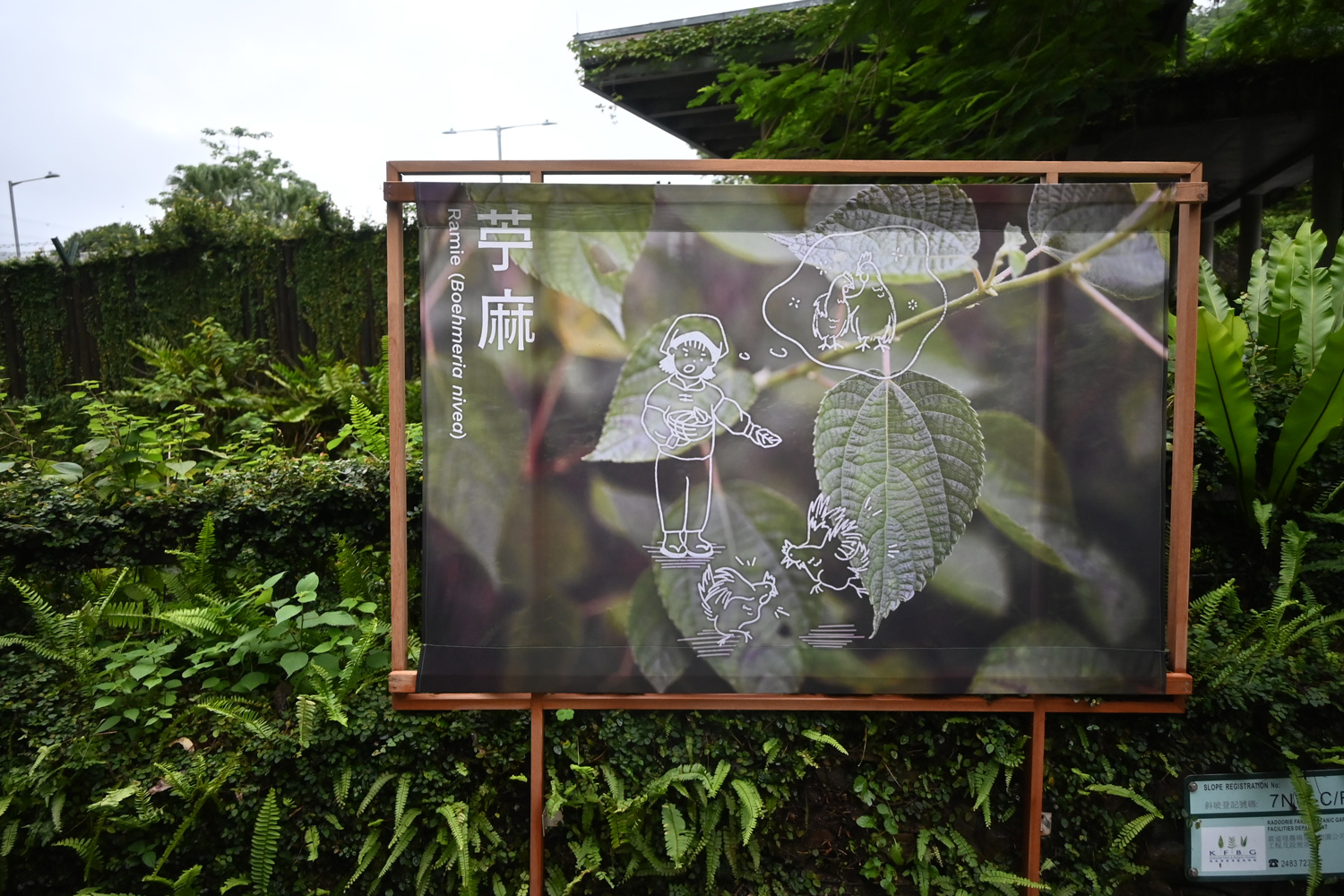
Plants included in the exhibition

 Ramie
Ramie(Boehmeria nivea)
 Chinese Sweet Gum
(Liquidambar formosana)
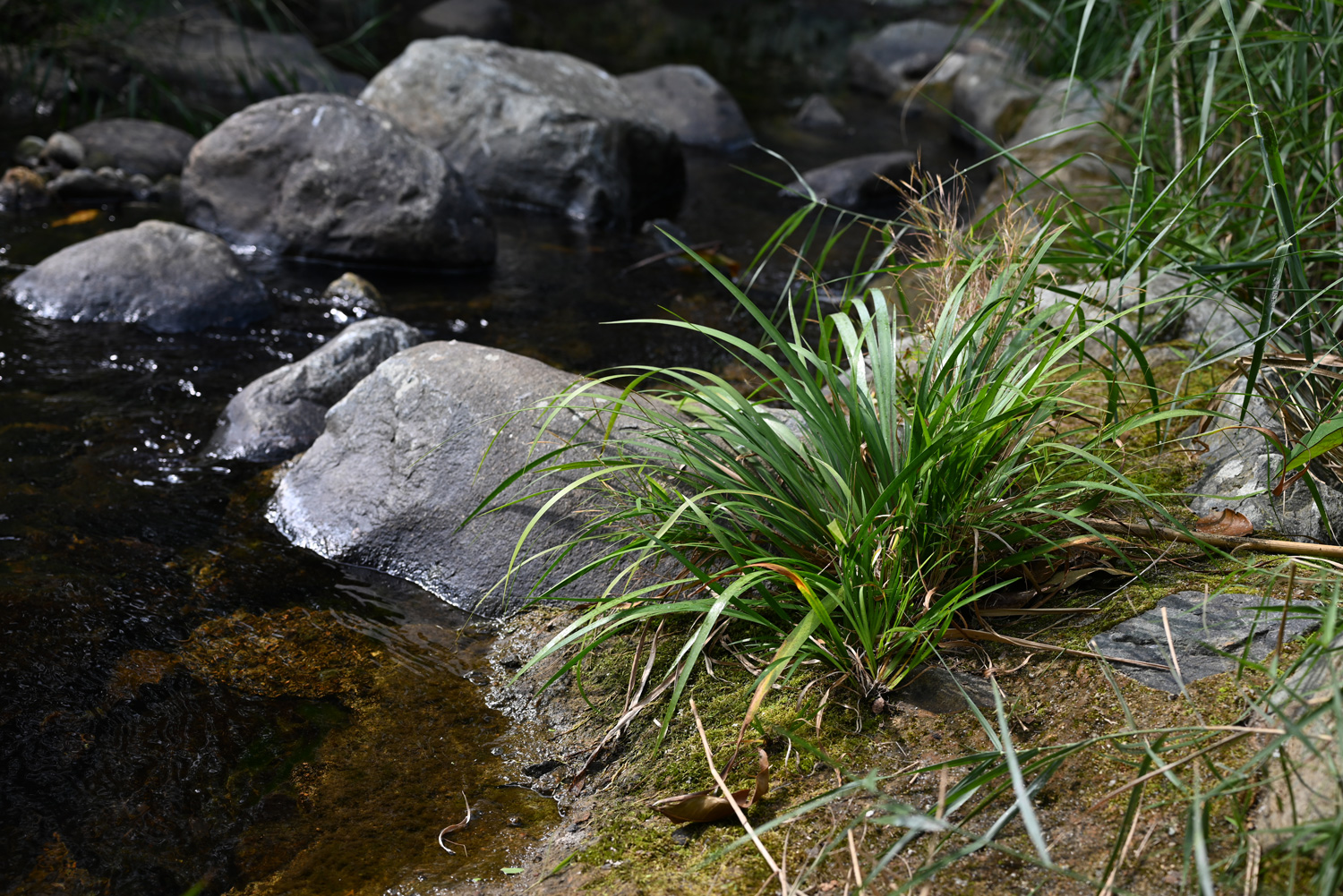 Grass-leaved Sweet Flag
(Acorus gramineus)
 Rose Myrtle
(Rhodomyrtus tomentosa)
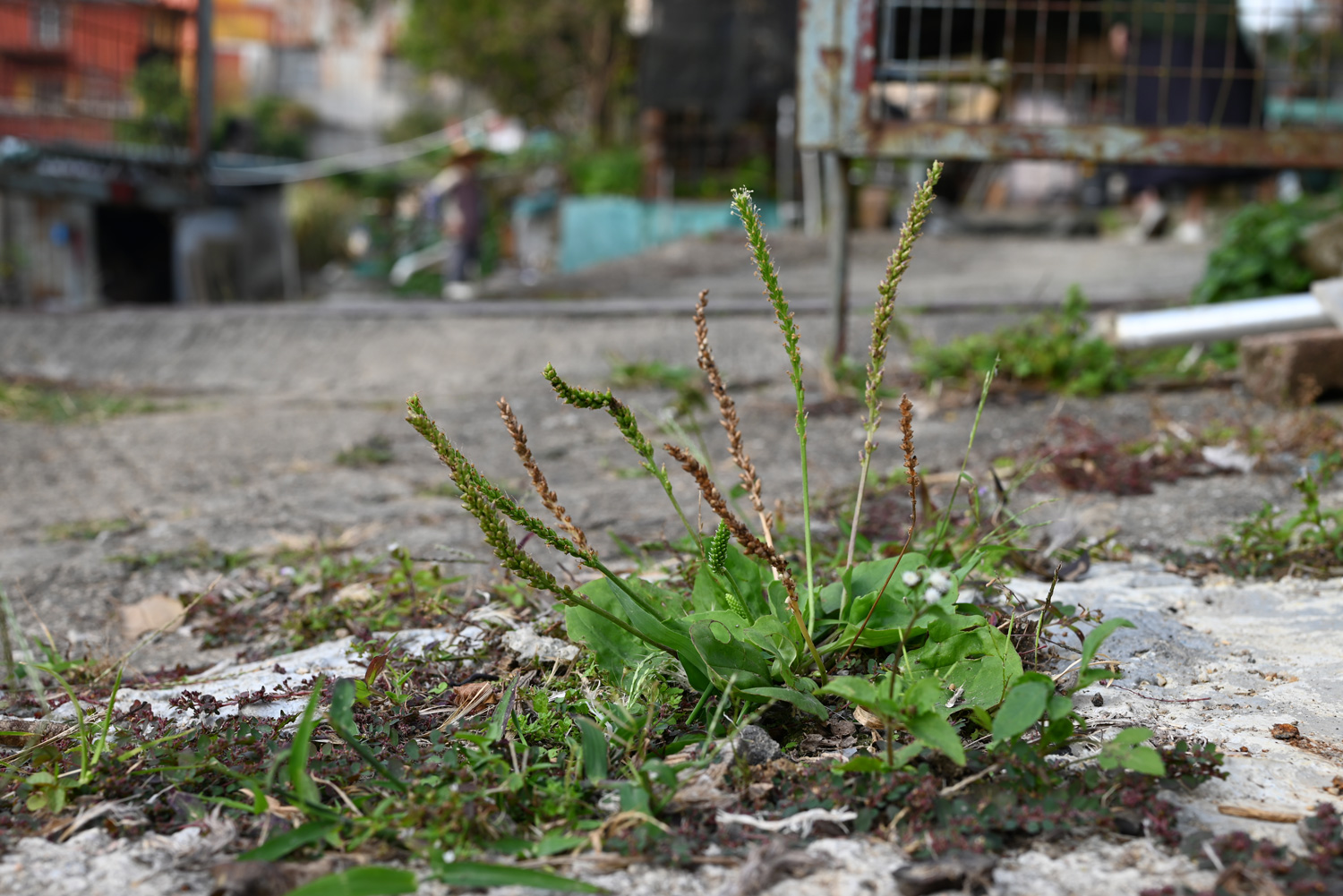 Greater Plantain
(Plantago major)
 Plum-leaved Holly
(Ilex asprella)
 Pop-gun Seed
(Bridelia tomentosa)
 Sour-leaved Embelia
(Embelia laeta)
 Horsetail Tree
(Casuarina equisetifolia)
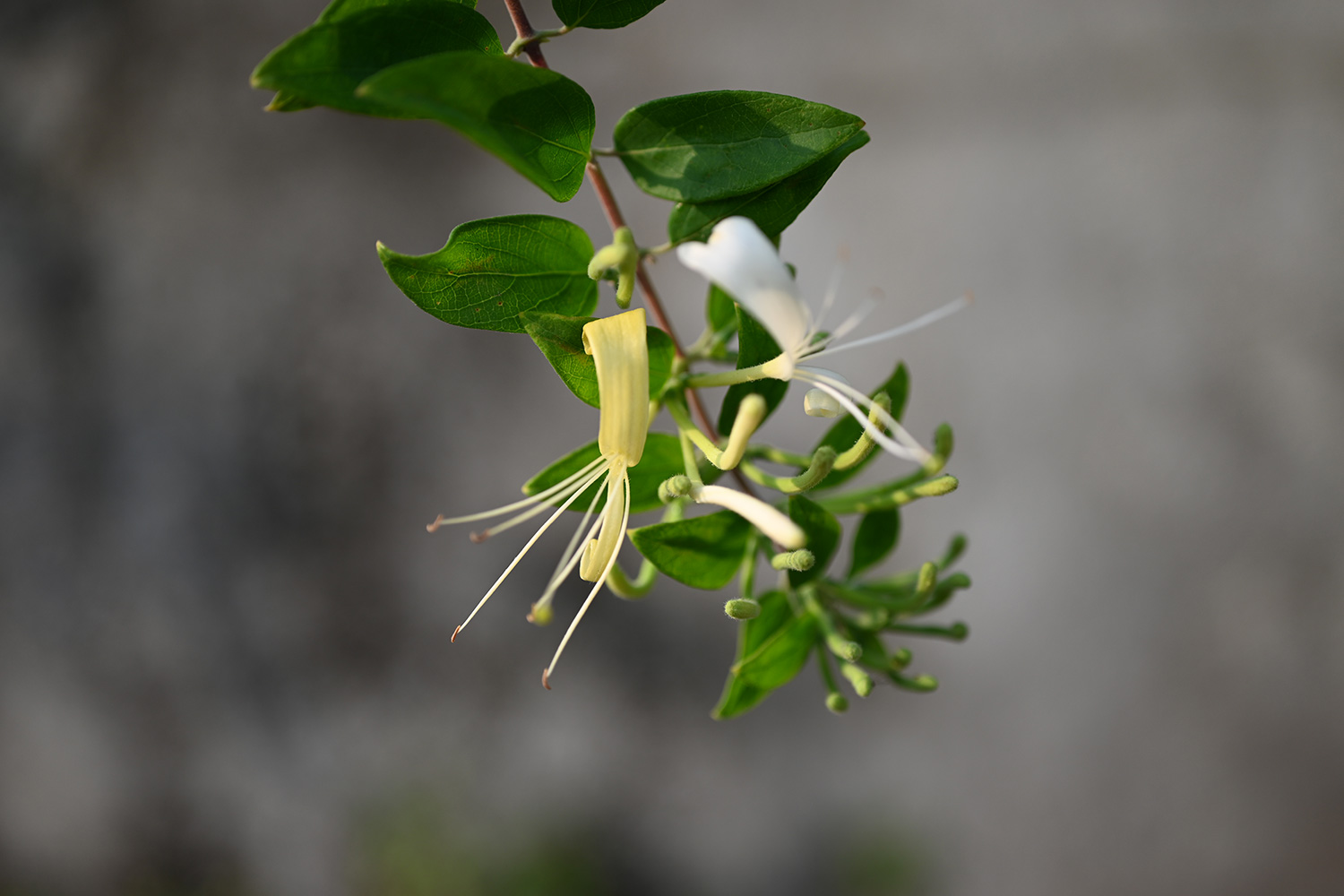 Wild Honeysuckle
(Lonicera confusa)
Related activities:

Plants, People and Village Life:
Ethnobotanical Stories of Chuen Lung
The public can get a physical copy of "Plants, People and Village Life: Ethnobotanical Stories of Chuen Lung" from the Farm Shop, or download the book for free from the following link: Download
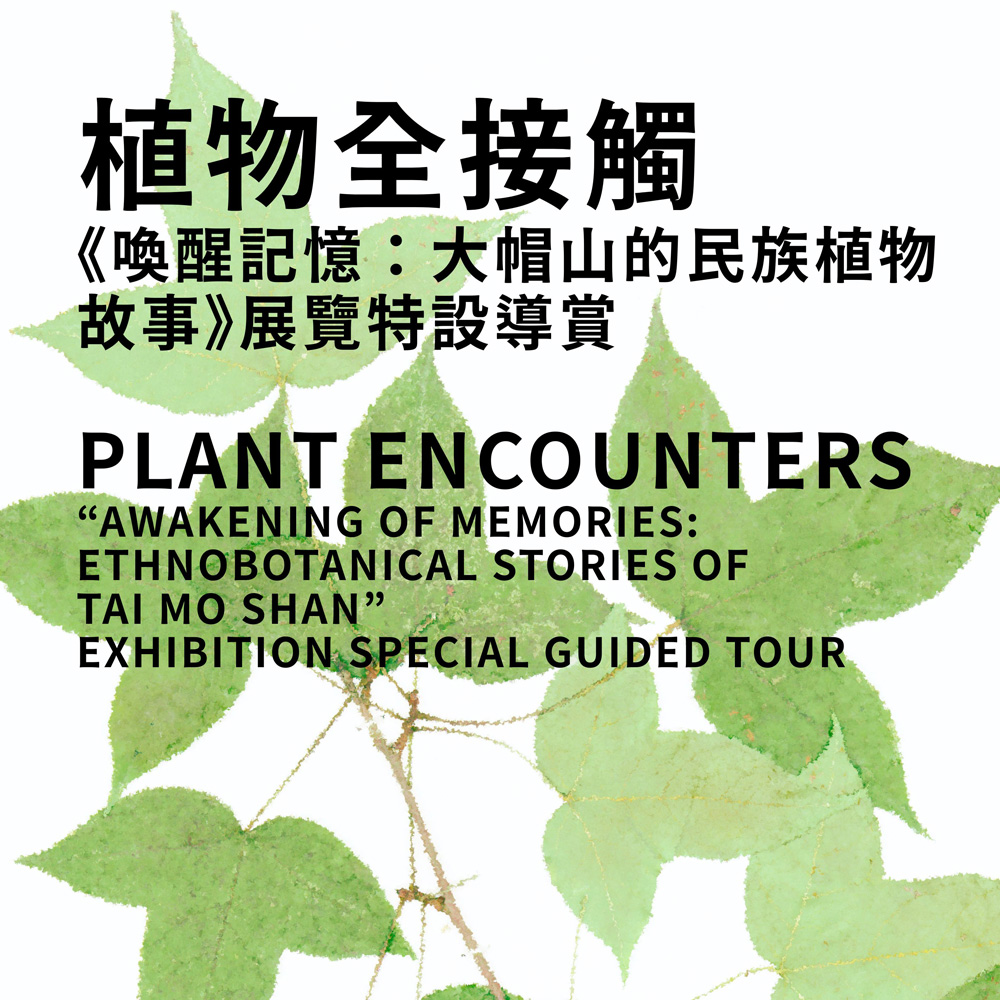
Plant Encounters – Special Edition
"Awakening of Memories: Ethnobotanical Stories of Tai Mo Shan"Exhibition Special Guided Tour: Register Now