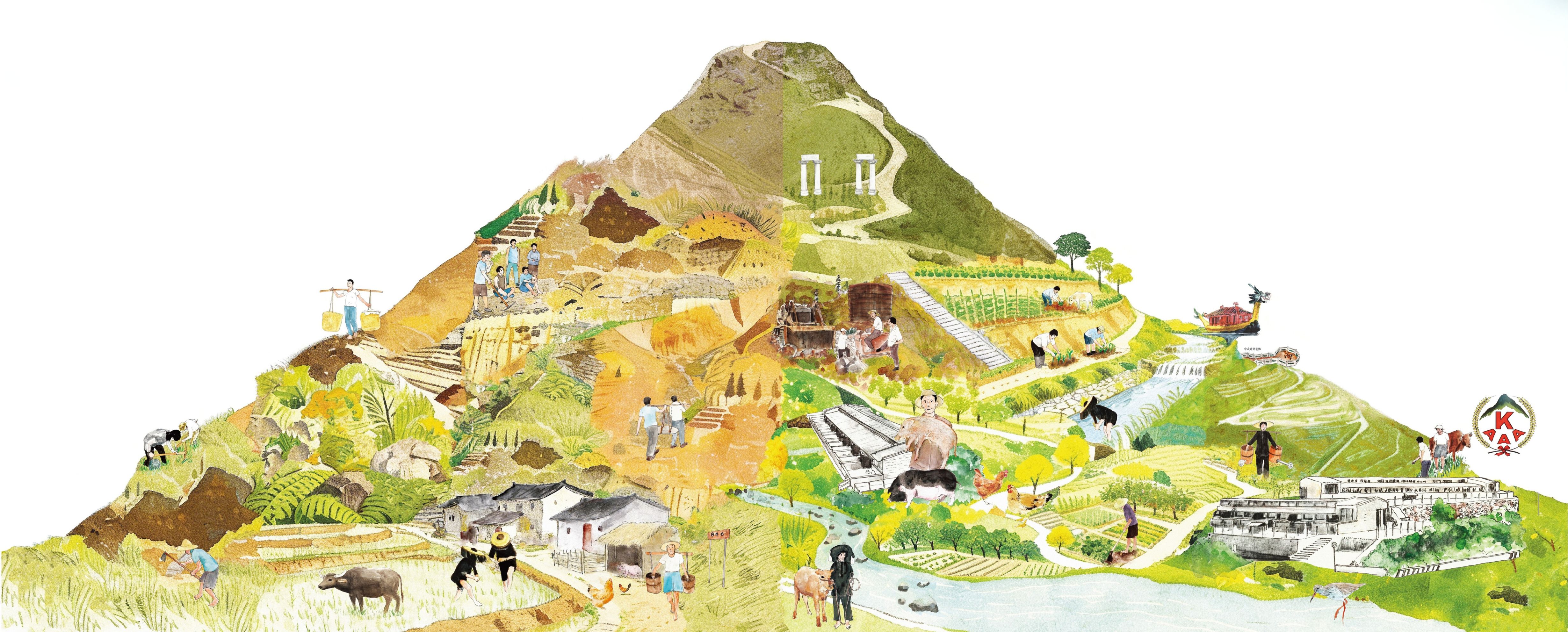
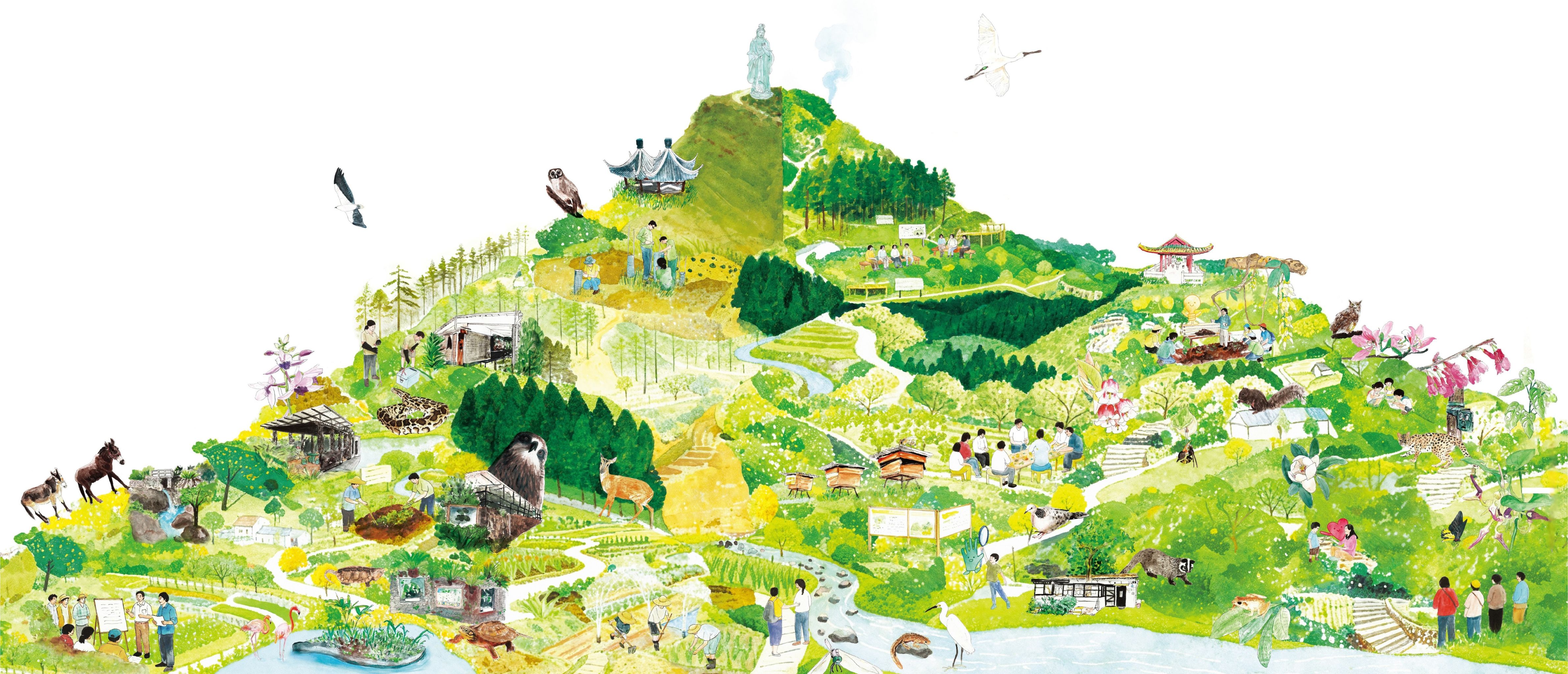
Stretching across Tai Po and Yuen Long, this 148-hectare verdant valley is known today as the Kadoorie Farm and Botanic Garden. Yet, 70 years ago in 1956, it was known as Paak Ngau Shek (White Ox Rock) - a place of steep slopes and jagged boulders, as barren as a white ox slumbering in the wilderness.
This is a story of "transformation". On this rugged, stony ground, brothers Horace and Lawrence Kadoorie recognised not only the hidden potential of the New Territories but also the inherent dignity of both humanity and nature. For seventy years in this valley, they stood shoulder-to-shoulder with the people of Hong Kong, transforming barren mountainsides into terraced fields, which eventually flourished into the lush secondary forest seen today. This is not merely the history of a farm or garden; it is a testament to the Kadoorie family's enduring stewardship of this land.
1950s The Starting Point
Wilderness and the Living Spring
In the 1950s, Hong Kong was a land bound to the echoes of war and the influx of refugees, with many in the New Territories struggling to survive. In 1951, brothers Horace and Lawrence Kadoorie, carrying forward their family's legacy of compassion, partnered with agricultural officers Norman Wright and Woo Ting Sang to found the Kadoorie Agricultural Aid Association (KAAA). With the aim of promoting a proactive "Helping People Help Themselves" ethos, they empowered farmers to achieve self-reliance and rebuild their dignity through the provision of capital, livestock and technical expertise.
The choice of Paak Ngau Shek was a profound union of destiny and keen observation. On the rugged heights of Tai Mo Shan, Sir Horace spotted a neglected citrus tree flourishing amidst the rocks - a sight that sparked the vision for an experimental farm. This omen was followed by the discovery of a perennial stream in the deep ravine, found alongside farmer Leung Chik. Bound by the promise of this living spring, the Kadoorie brothers resolved to transform these barren, boulder-strewn slopes into a productive agricultural base.
In 1956, the Paak Ngau Shek Experimental Farm officially broke ground...
1951
Kadoorie Agricultural Aid Association (KAAA)
Founding of KAAA to provide support and uphold the belief in "helping people help themselves", empowering farmers to rebuild their lives through their own hands.
Sir Horace Kadoorie (right) and Lord Lawrence Kadoorie (left) were the second generation of the family to put down roots in Hong Kong, transforming traditional philanthropy into a partnership between the government, farmers and the family.
1956
Ground-breaking of the Experimental and Extension Farm at Pak Ngau Shek to demonstrate transforming rugged terrain into productive farmland.
In preparation for the construction of the Pak Ngau Shek Experimental Farm, several of the founders, including Sir Horace Kadoorie (right), Norman Wright (centre) and Woo Ting Sang (left), carried out an on-site survey. The works required the removal of massive boulders to create terraced fields, as well as the construction of several kilometres of roads and footpaths to connect different parts of the site.
1956
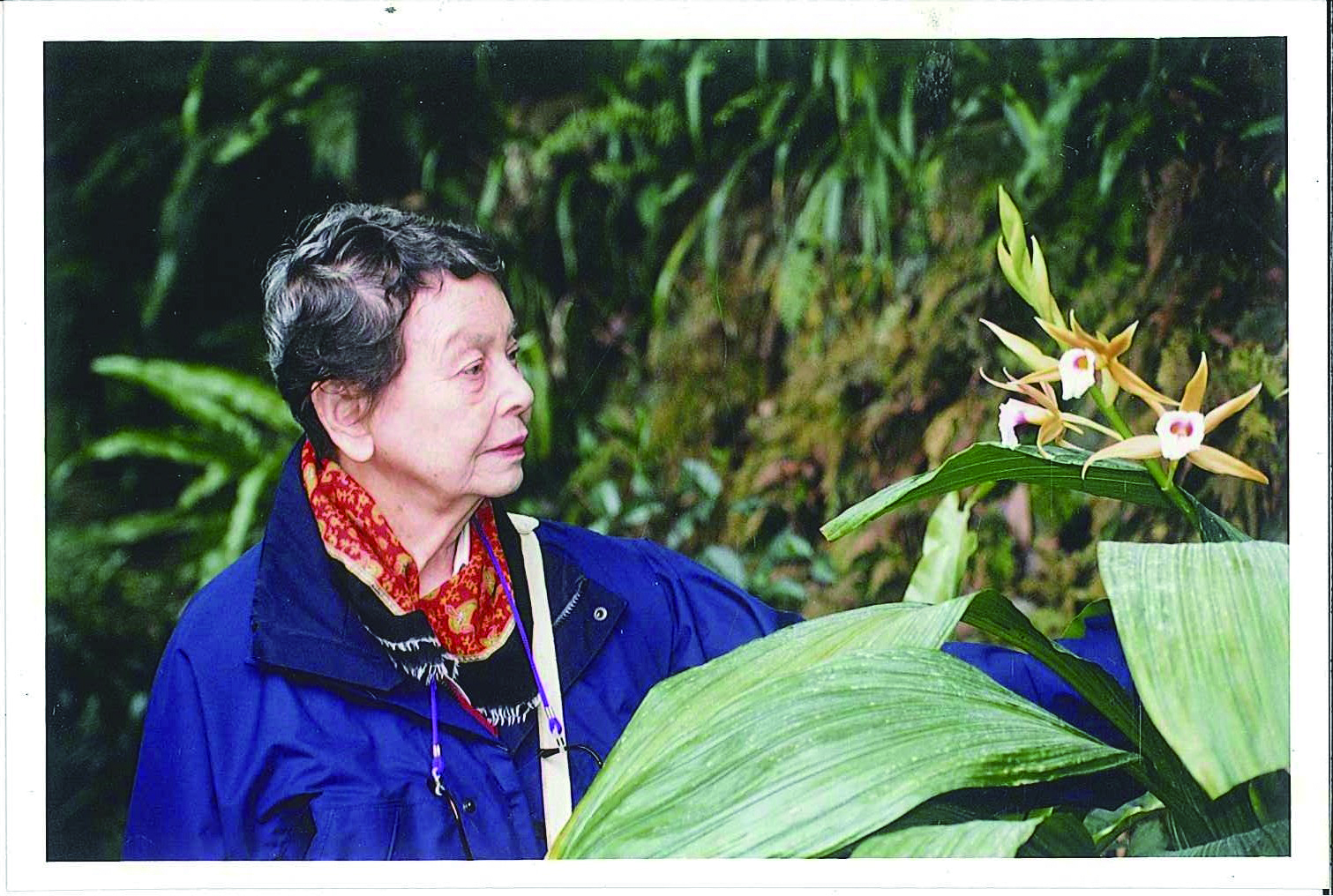
Gloria Barretto started the documentation of wild orchids, initiating decades of research and laying the foundation for plant conservation.
1956
Testing premium pineapples, vegetable seeds to overcome farming constraints.
1956
Building scientific sites to breed quality livestock, alongside a training centre to teach modern farming techniques to villagers.
1957
Developing improved breeds of chickens, ducks and geese to enhance yield and quality.
Dick sheds
1959
Launch of the Widows Scheme in Kam Tin, providing cattle and poultry to help women who had lost their family breadwinners rebuild their livelihoods through self-reliance.
1960 onwards
Launch of Landscaping Work - planned by horticulturist Walter Kerr, botanic areas were developed on 50-degree steep slopes. In the late 1960s, Convent Garden (renowned for its Nun Orchids) and Orchid Haven were added. The design integrated farm utility with natural beauty without felling trees, while designating the wooded slopes above the orchids as a wild plant sanctuary, free from human disturbance.
1961
Proving fruit tree cultivation was viable on barren slopes at 457 meters above sea leavel. Over the following decade, nearly 40,000 fruit trees were planted, including tangerines, mandarins, oranges and grapefruits — the latter first introduced to Hong Kong by the KAAA.
Young orange trees on upper slopes at the farm
1962
Receiving the Ramon Magsaysay Award, the "Nobel Prize of Asia", for practical support to farmers and contributions to food security.
Mother Teresa also honoured that year
1968
Providing agricultural training for retiring Gurkha soldiers to equip them with skills for their future livelihoods.
Retired Gurkha soldiers attending classes at the Farmers' Training Centre
1970s Agricultural Growth
Rooted in the Soil: A Legacy of Cultivation
During the 1960s and 70s, this valley evolved into the "brain" and "cradle" of Hong Kong's agriculture. To overcome the challenges of steep terrain, the farm engineered cascading terraces and sophisticated irrigation systems, becoming a regional benchmark for agricultural technology in East Asia. More than just a laboratory, it served as a vital technical backbone for farmers: from the development of the improved breed "Paak Ngau Shek Special Pigs" to climate-resilient crop varieties, KAAA integrated science into the fields to boost productivity across the New Territories.
It was an era of self-reliance, where the hills bustled with farmsteads and the sounds of livestock, echoing with the everyday life of the villages. Closely entwined with Hong Kong society, KAAA not only provided essential sustenance for the people but also carried the dreams of a generation striving for prosperity through hard work.
1970
Gifting improved pig breeds from Pak 1976 : Four granite pillars were donated by Ngau Shek to the government, supporting Y.C. Liang to Sir Horace Kadoorie and colony-wide livestock improvement and erected in the farm as a visitor attraction. poverty relief.
Ngau Shek Special Pigs
1976
Four granite pillars were donated by Y.C. Liang to Sir Horace Kadoorie and erected in the farm as a visitor attraction.
1982
T.S. Woo passed away. He served as Farm Superintendent for 30 years until 1981, leading the development of the Pak Ngau Shek valley; the T.S. Woo Memorial Pavilion was established in his honour.
1994
Ceasing livestock aid in 1989 as farming declined; establishing the Fauna Conservation and Education Department to focus on wildlife protection.
1990s Transformation
From Sustaining Livelihoods to Safeguarding Life
As Hong Kong's economy shifted in the 1980s, local agriculture began to wane, and the bustling sounds of farming in the valley gradually quieted. The year 1995 marked a profound turning point when KAAA officially transformed into Kadoorie Farm and Botanic Garden (KFBG). This was more than a change of name; it was an elevation of our "care for life" — extending our focus from human livelihoods to the restoration of the entire ecosystem.
In response to the loss of biodiversity, we established the Wild Animal Rescue Centre and began researching and protecting local endangered species. The terraces of the past were no longer symbols of high yield alone, but became the starting point for forest restoration. This transformation was both a response to changing times and a deep commitment to the earth: amidst rapid urban expansion, we strive to preserve a sanctuary for all living things to breathe and recover, allowing nature to reclaim the valley and safeguarding the precious primordial vitality of Hong Kong.
1995
The Legislative Council passed the Ordinance; the organisation was formally renamed KFBG, transforming into a conservation centre and Sir Horace Kadoorie passed away on 22 April (Earth Day).
1995
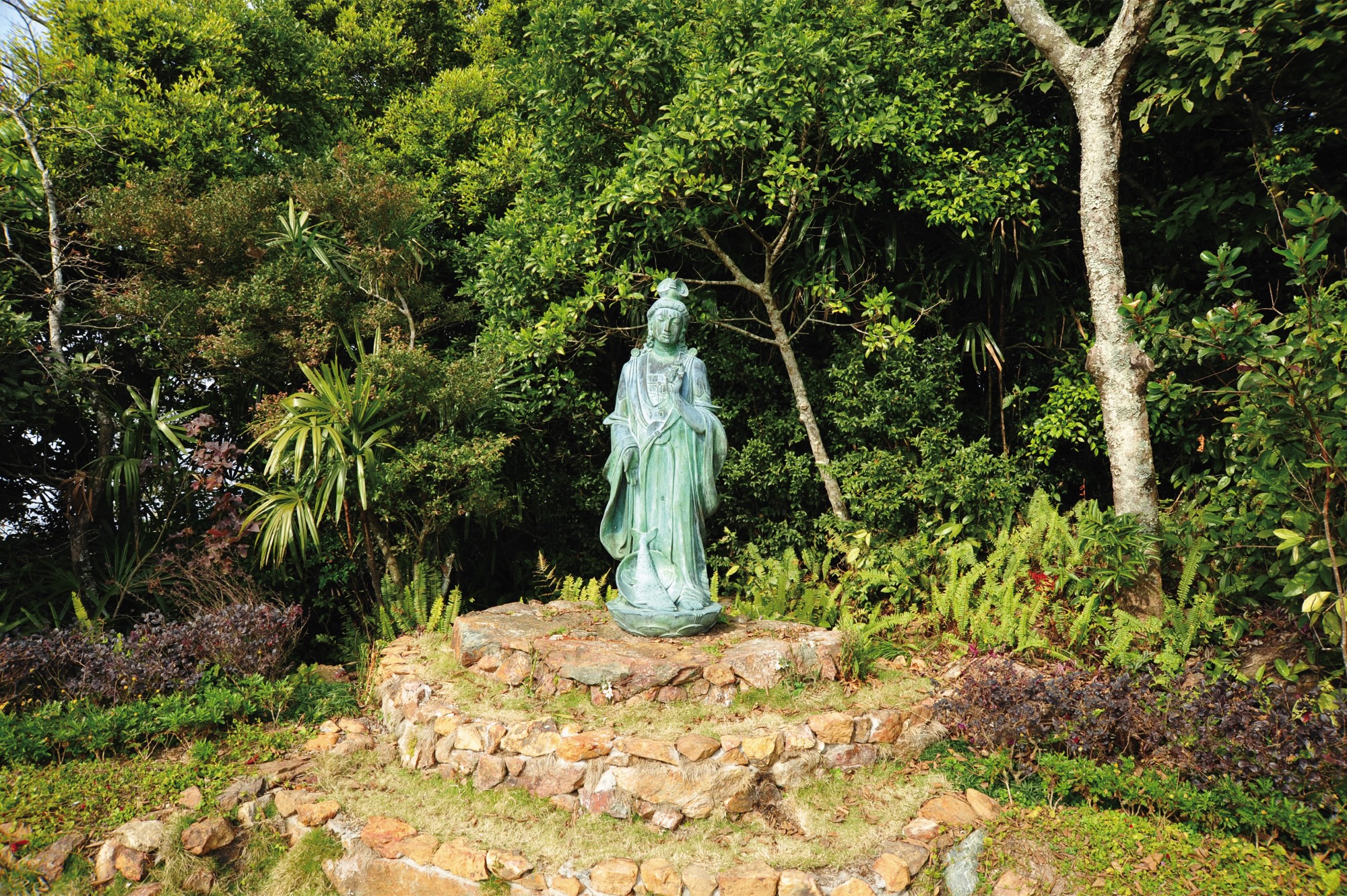
Kwun Yam Statue arrived and ceremonially installed on 20 December. Standing alongside the natural thermal vents and ancient altars, it creates a unique cultural and natural landmark on the mountain.
1997
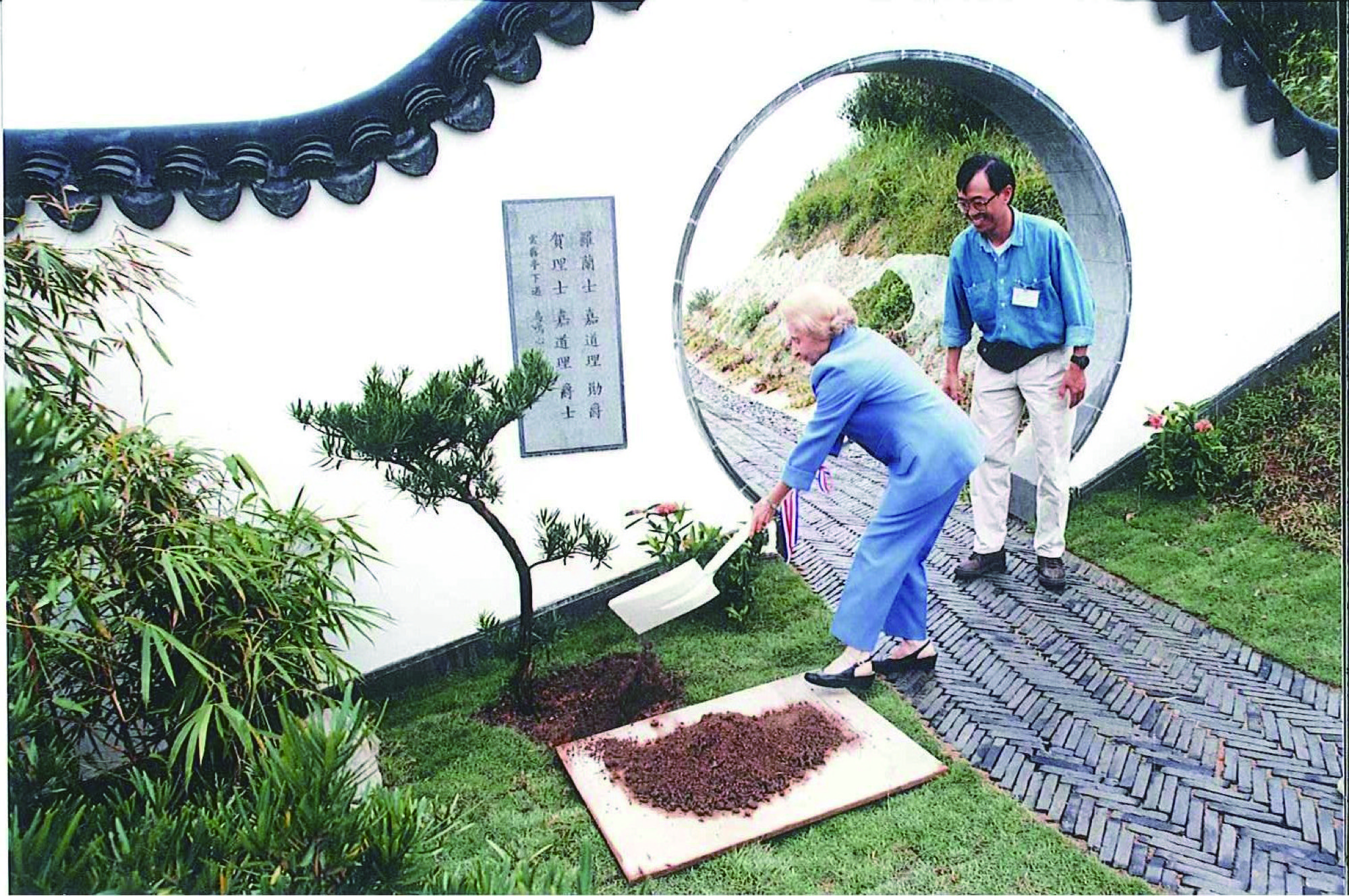
Official opening of the Kadoorie Brothers Memorial Pavilion, symbolising eternal care for the land.
Lady Kadoorie officiating tree-planting at Kadoorie Brothers Memorial Pavilion
1997
Mrs. Gloria Barretto was awarded the Gold Veitch Memorial Medal for her contribution to orchid research.
1997-1998
Conservation facilities were established - including the veterinary hospital, Native Tree Nursery, Magnolia Garden and Plant Conservation Laboratory - while forest restoration projects were launched
1998
Completion of the Butterfly Garden; the "South China Biodiversity Conservation Programme" was established.
1999
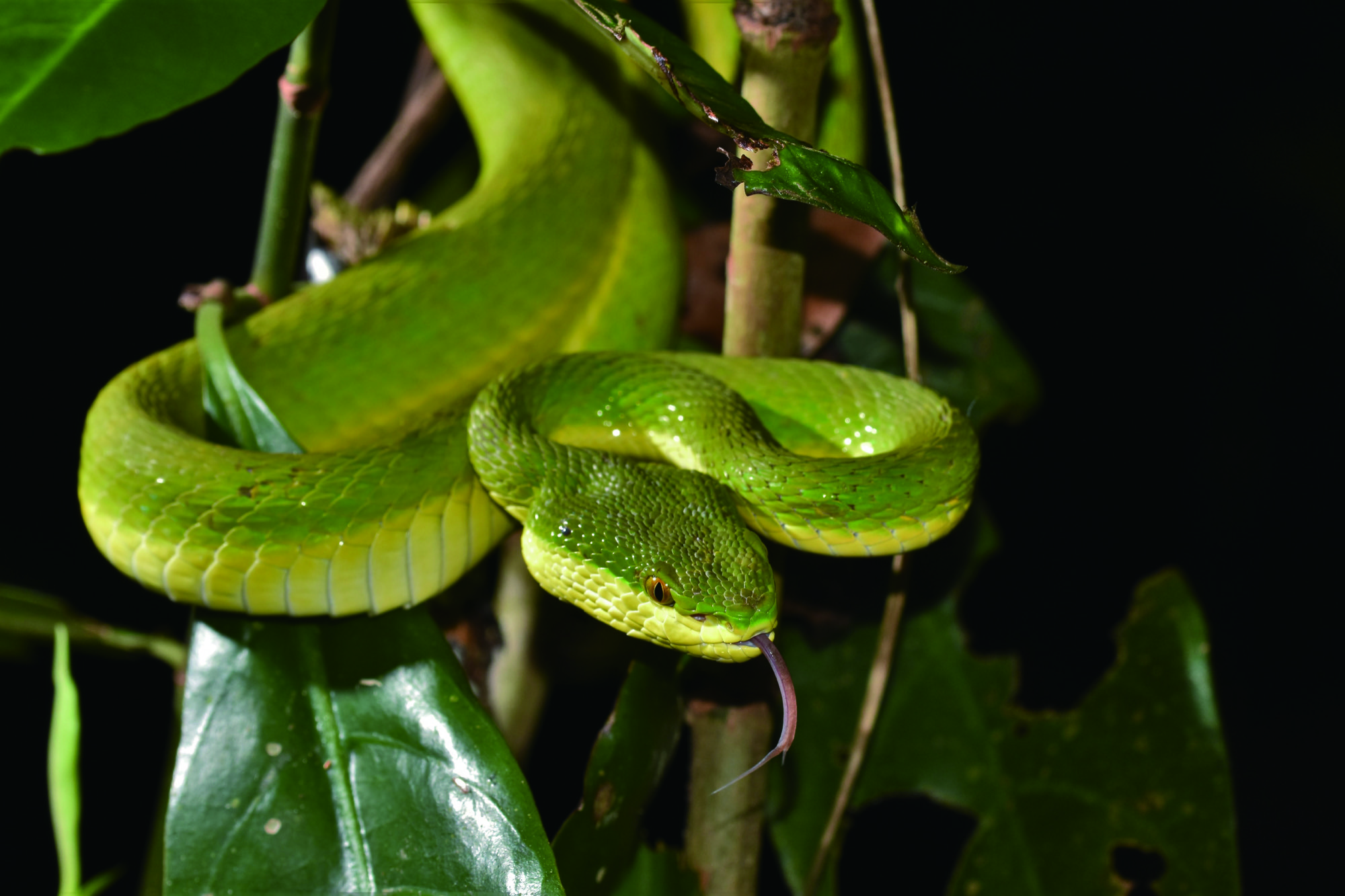
Implementation of the Wild Snake Rescue Project in collaboration with the Hong Kong Police and AFCD.
2006
50th Anniversary: Launch of the large-scale reforestation programme and establishment of the Sustainable Living and Agriculture (SLA) Department. Subsequent facility completions included the Firefly House, Piers Jacobs Wildlife Sanctuary, and the new Farm Shop.
2007
Establishment of the Farmers Market at the Central Star Ferry Pier to promote local organic farming.
2009
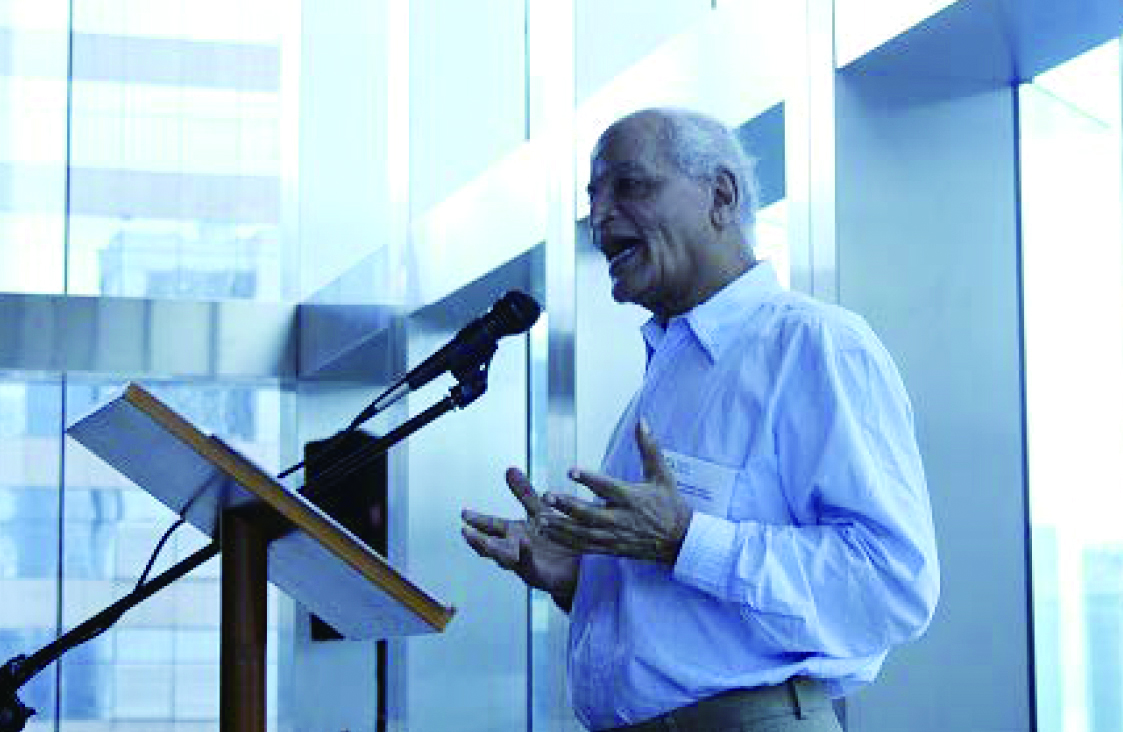
Hosting the first transformational workshop led by Satish Kumar, introducing "Holistic Conservation".
Satish Kumar was invited to teach in Hong Kong for the first time.
2011
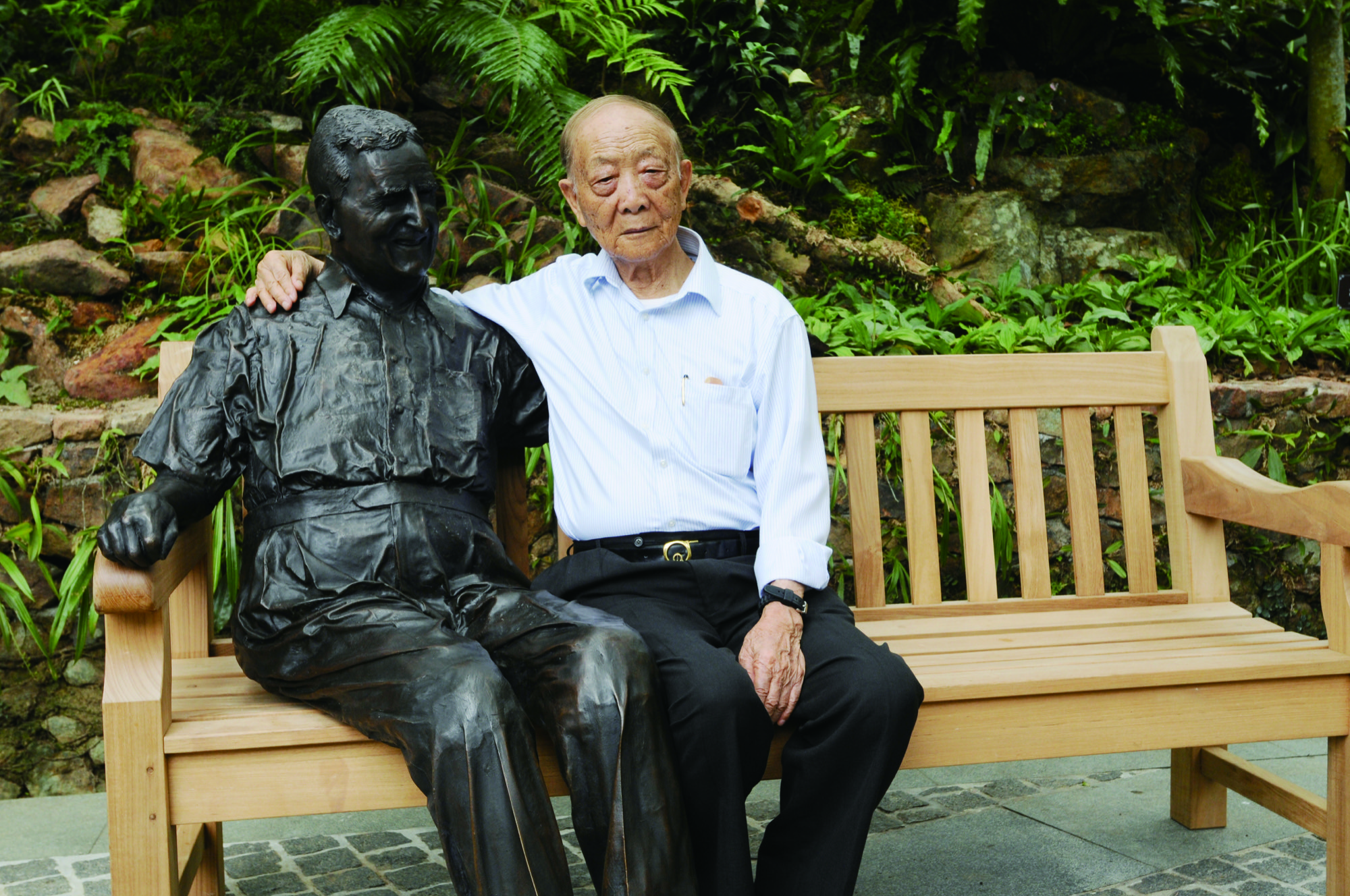
Unveiling of the Sir Horace statue; opening of the Sun Garden Cafe and the Gloria Barretto Orchid Sanctuary.
The statue of Sir Horace was unveiled on 21 May, with Mr Leung Chik photographed alongside it.
2012
Returning 609 pig-nosed turtles to Indonesia; using DNA barcoding to study the endangered Bulbophyllum bicolor, the Long-cared Dog Orchid.
2012
Raptor Care and Facility Updates: Katie the Black Kite, KFBG's oldest resident, passed away at age 25. The Amphibian & Reptile House and Native Mammal Display reopened after extensive renovations, and the Streamlife Display received a juvenile Big-headed Turtle confiscated from the illegal trade.
2014
Regenerative Agriculture and Training: Launching the regular "Farmers Reskilling Programme" to promote permaculture and regenerative agriculture, restoring soil vitality.
2015
Opening of the Green Hub: Revitalising the Old Tai Po Police Station as a demonstration site for low-carbon living, promoting "Eat Well" diets and sustainable lifestyle education.
2023
The Art House, formerly the Kwan Yin Garden, was transformed into a transdisciplinary platform connecting land and soul to inspire the public through artist residencies.
2025
Receiving the world's first Premium-Tier TGBS certification.
2026
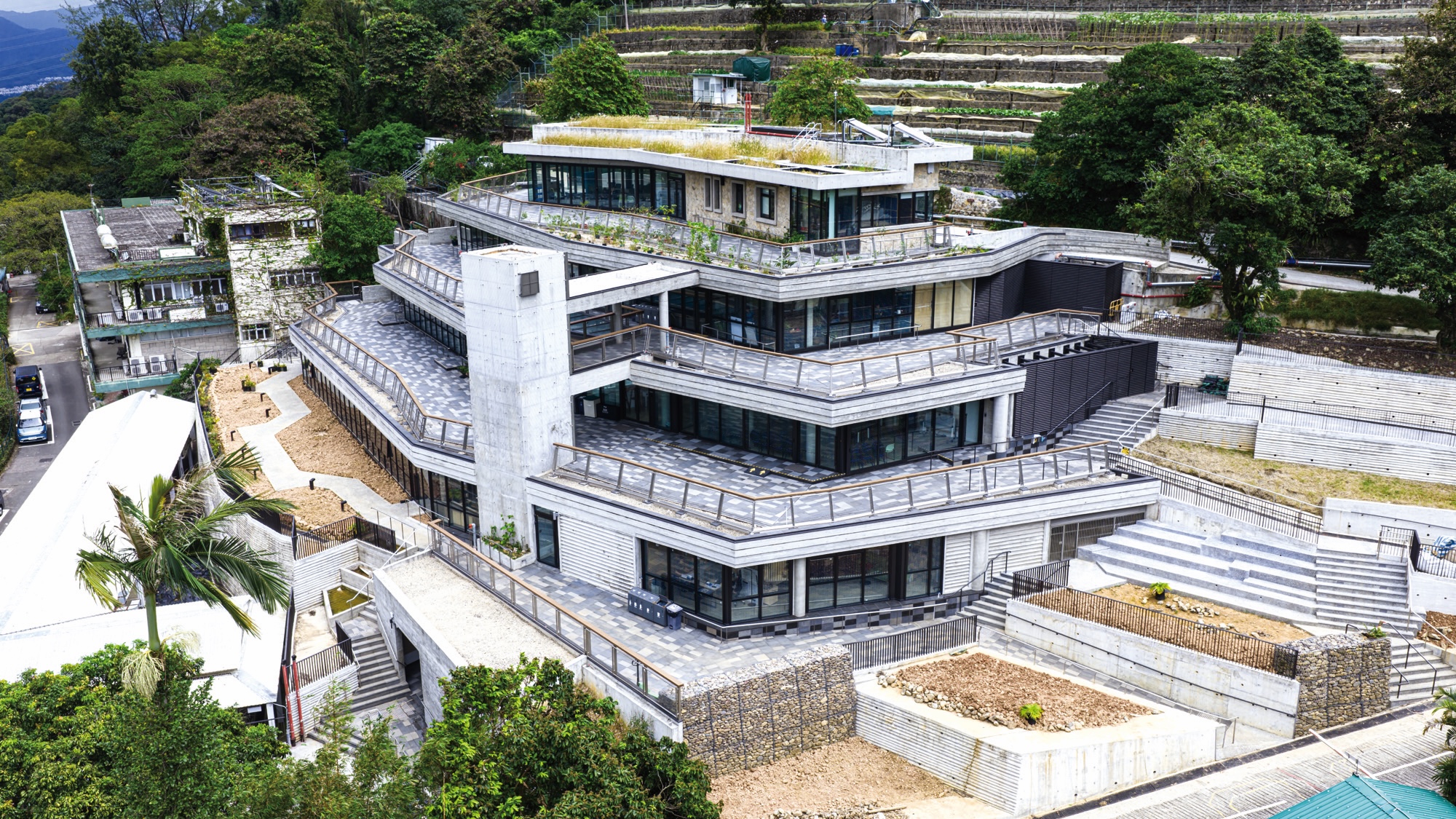
Opening of the Jockey Club Nature Conservation Centre (JCNCC) on 21 January, aiming to combine research and education to address global ecological crises.
JCNCC nestles into the hillside, harmonising with the natural contours and blending seamlessly into the forest. The building achieves BEAM Plus Gold standard, incorporating photovoltaic glass and solar systems, while prioritising recycled materials
Today's Landscape
Spiritual Awakening: Continuing the Chapter of Coexistence
Today, this valley has been transformed from barren, rocky slopes into a lush secondary forest. Over the past decade, the mission of KFBG has evolved toward a higher level of "awakening". Beyond ecological restoration, we strive to harmonise the relationship between humanity and nature. In 2024, our forest restoration initiative was honoured with the highest-tier TGBS (The Global Biodiversity Standard) certification, marking our land stewardship as world-class.
KFBG today is a sanctuary for reconnecting with nature. Through our "Head, Heart, and Hands" (3H) holistic education model, we invite every visitor to leave behind the urban clamour and experience the breath of the earth and the melody of the streams. This stream of life, which began its journey in 1951, flows onward with unceasing vitality, leading us toward a future where all beings coexist in harmony.