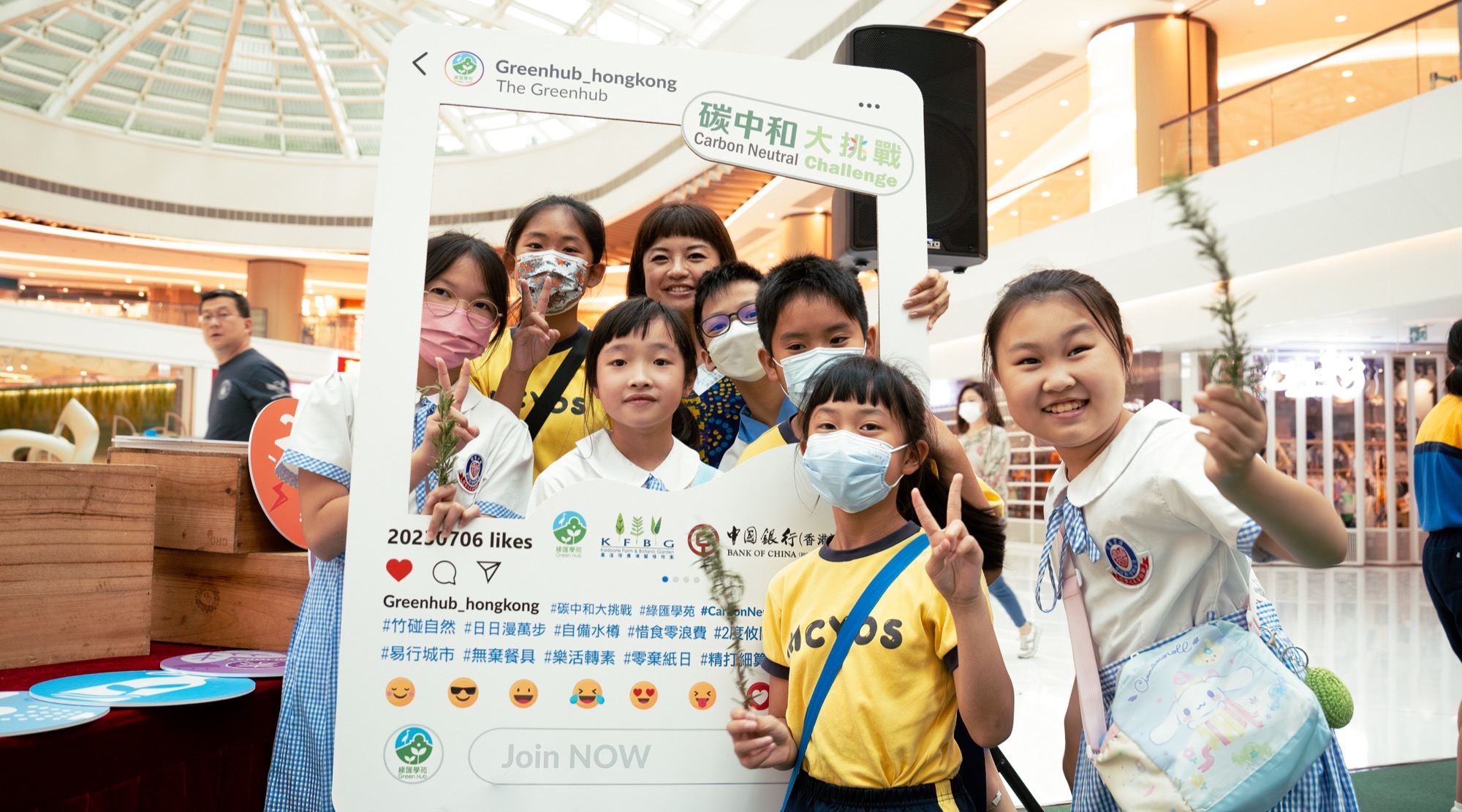

In a time of climate crisis, biodiversity loss, and growing social fragmentation, many of us wonder: how can we live well in a world that feels increasingly out of balance?
At Kadoorie Farm and Botanic Garden, the answer is lived and found in the real world and in nature. Sustainable living is practised as a way of reconnecting—with nature, with community, and with ourselves—while building resilience for the future.
Seven decades of purpose-led action
From supporting refugees in post-war Hong Kong to pioneering sustainable living for the 21st century.
Help People to Help Themselves
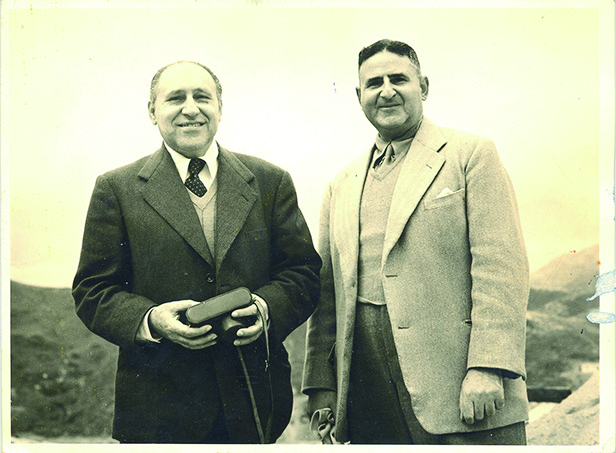
- KFBG's origins trace back to the Kadoorie Agricultural Aid Association (KAAA), which supported refugees and rural communities in Hong Kong's New Territories.
- Focused on rebuilding livelihoods and strengthening resilience in post-war Hong Kong.
Expanding the Vision
- The establishment of KFBG marked a new chapter in sustainable living for Hong Kong.
- Integrated nature conservation, holistic education, and sustainable living under one mission ‘To harmonize the relationship between people and the environment’.
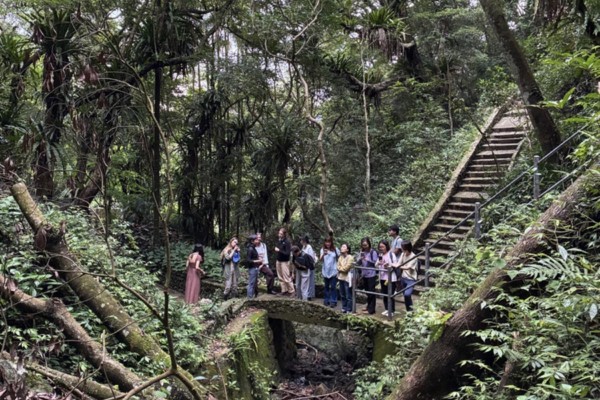
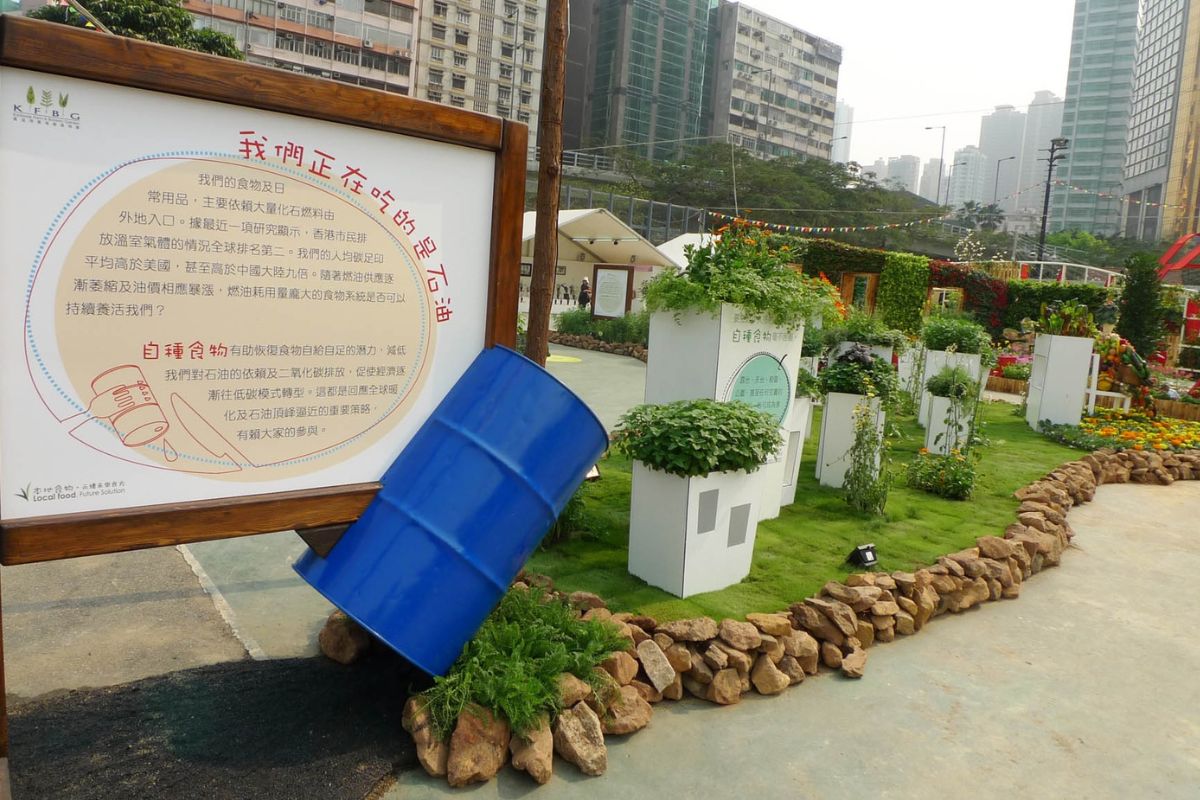
Deepening the Mission as both a Practical Approach and a Transformative Process
- Community-based projects such as the Eco-School in Gansu, China examined how traditional knowledge supports climate resilience.
- Pioneered organisational ecological footprint and carbon studies in Hong Kong, shaping sustainable policies and operations.
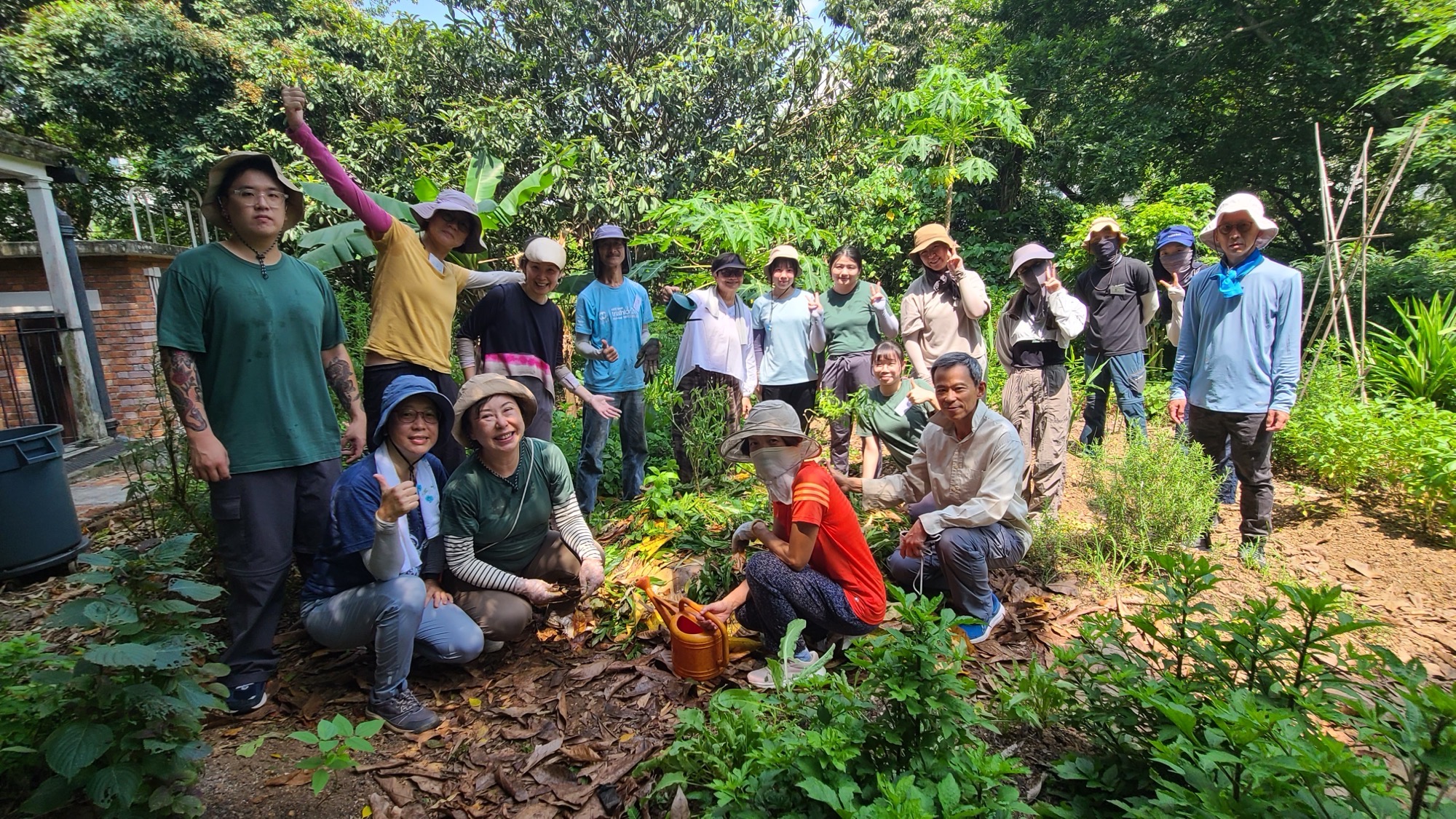
- A constructed wetland wastewater treatment system, built in 2008, applied nature-based solutions to close resource loops at KFBG.
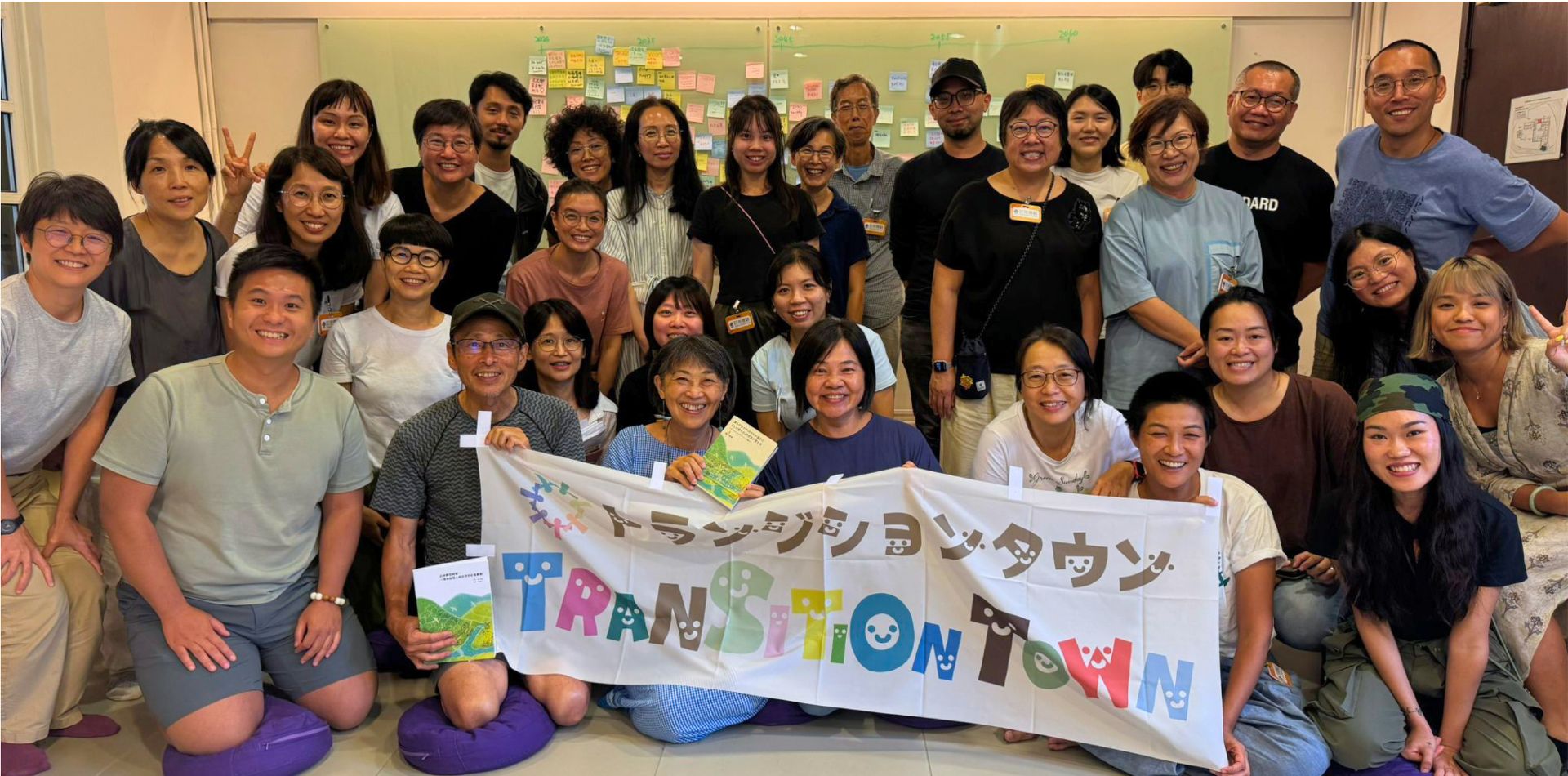
- Inspired by Dr Satish Kumar (founder of the Schumacher College), permaculture, and transition towns, KFBG evolved toward systemic change — connecting Head, Hands, Heart, and Home.
.jpg)
.jpg)
.jpg)
The Green Hub: Living Sustainability
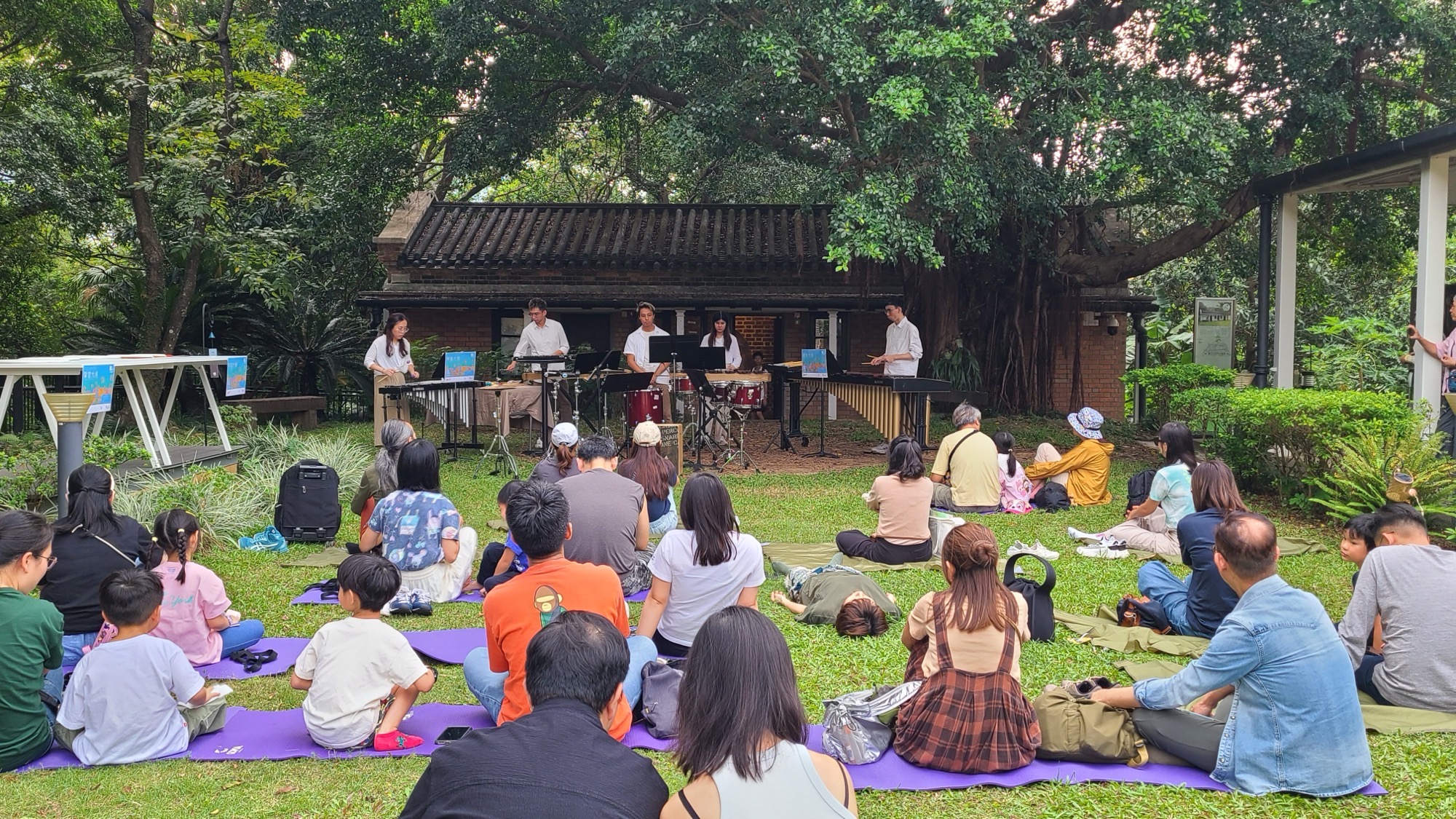
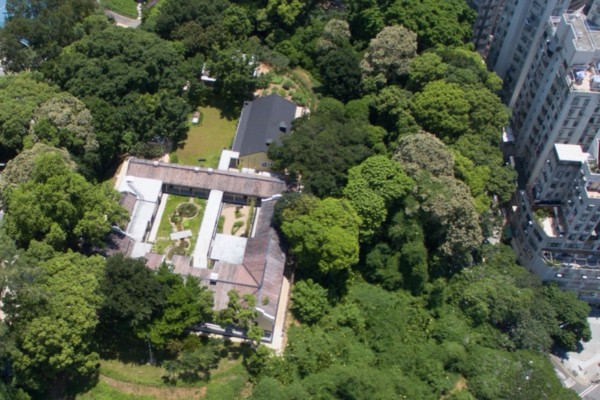
- Created through the revitalisation of the historic Old Tai Po Police Station (built in 1899).
- Developed in partnership with the HKSAR Government — integrating heritage conservation, ecological restoration, and community engagement.
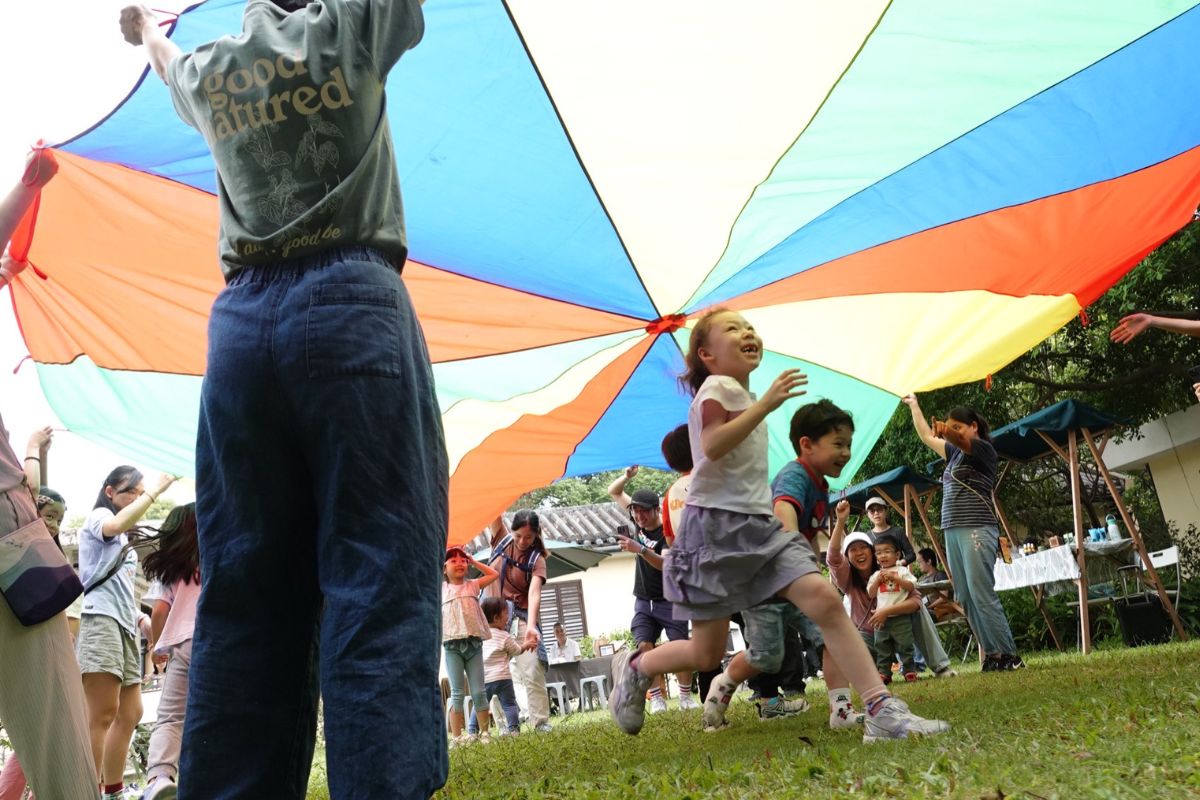
- Demonstrates how sustainability can thrive in an urban setting.
- A multi-award-winning model of sustainable living in action.
|
450,000+
visitors inspired since the opening in 2015
|
UN-Habitat
global best practice, Shanghai Manual 2024
|
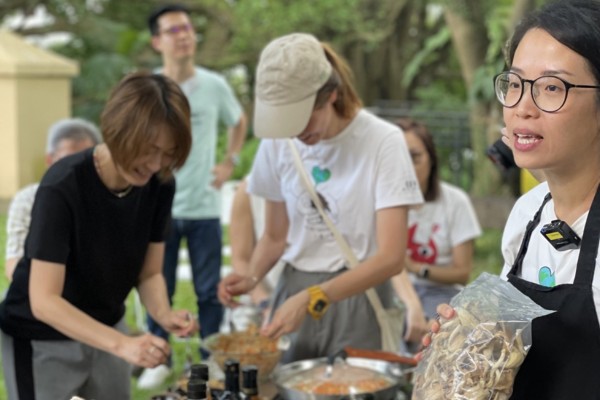
Expanding Impact
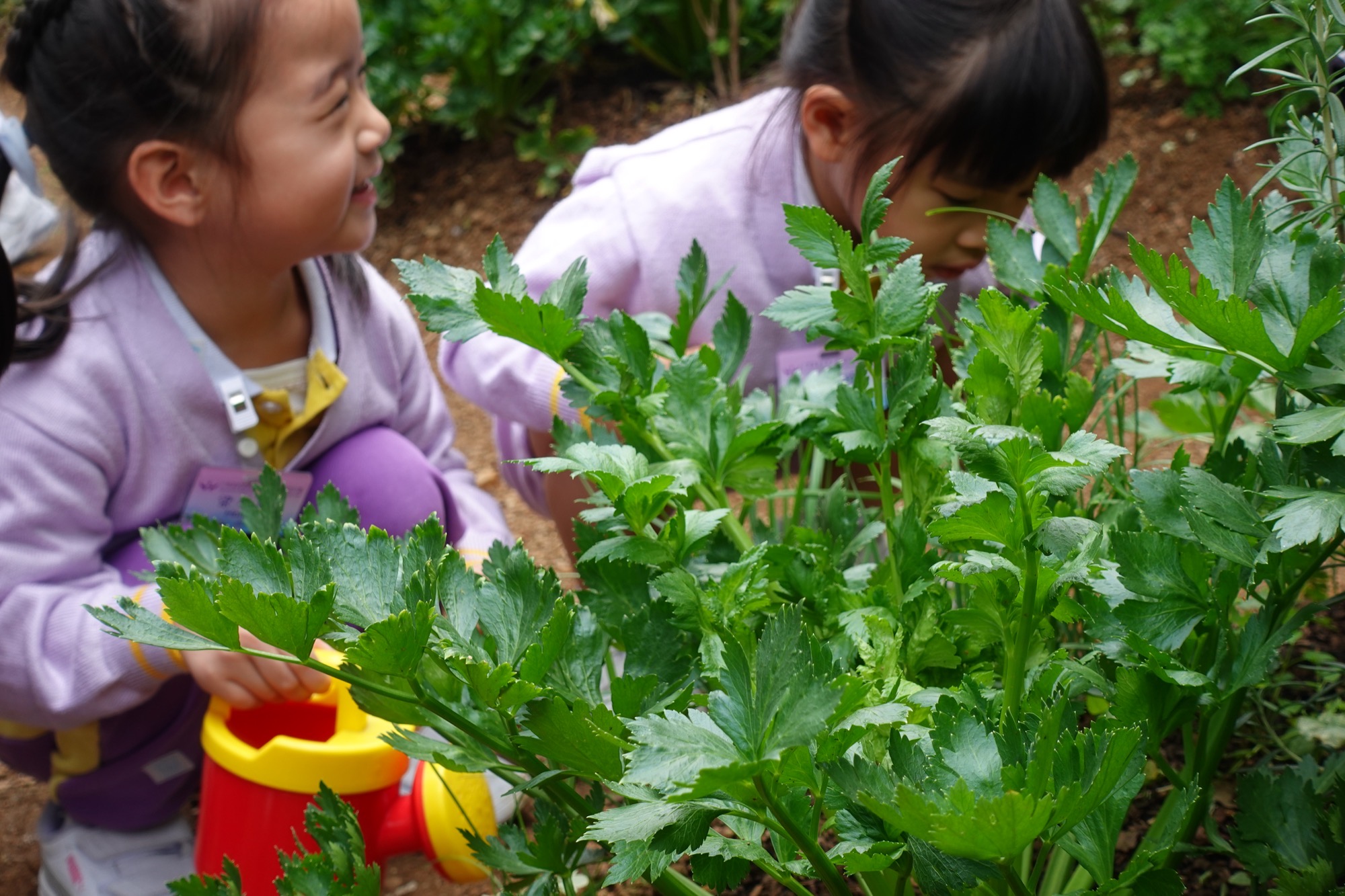
- Food Hub, opened in 2025, is a collaboration with the University of Hong Kong's Kadoorie Centre — transforming a former canteen into a space for food education and systems change.
- Part of the Kadoorie Earth Programme — deepening KFBG's commitment to education-led sustainability.
- Following the Wang Fuk Court fire, KFBG mobilised the Sustainable Living team to provide emergency accommodation, essential services, and community care for affected families across the Green Hub, Food Hub, and HKU Kadoorie Centre.
A living philosophy
In returning to its founding principles, KFBG demonstrates that sustainable living is not a checklist, but a continuous process of empowerment, connection, and care. In a rapidly changing world, it offers a hopeful path forward—one grounded in resilience, regeneration, and a deep respect for the interdependence of life.
Explore Our Sustainable Living Journey
Select a pathway below to discover how we co-create sustainable futures, eat well, design for resilience, build community hubs, and drive community-based change.