
Sustainable Practices

Regenerative Agriculture - Regenerative Agriculture
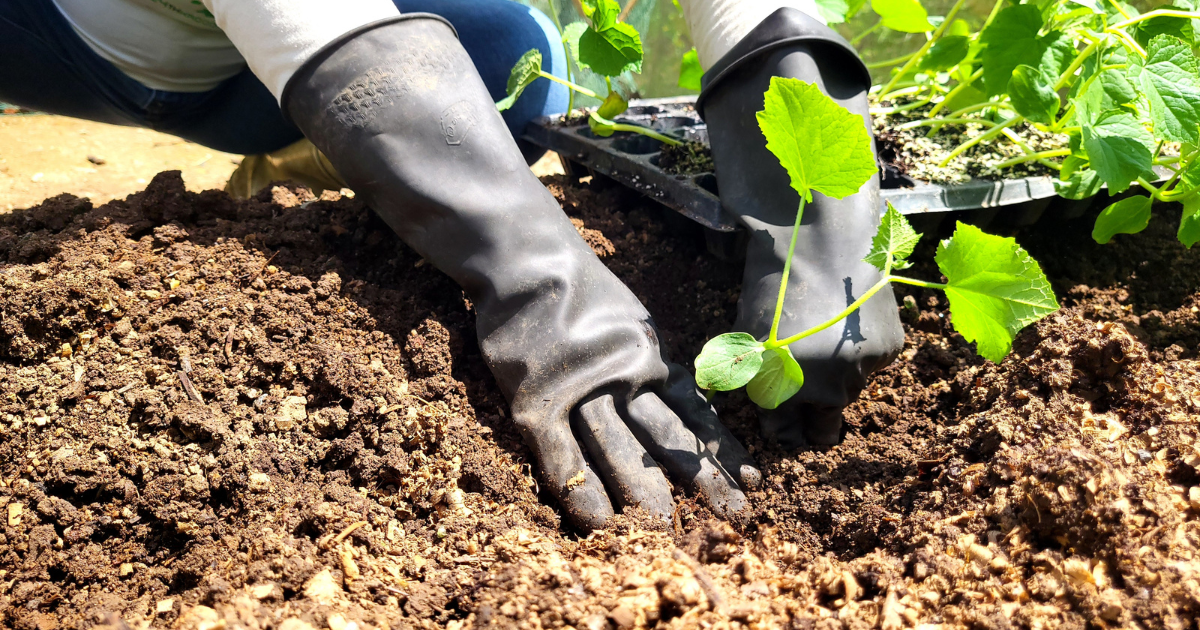
KFBG demonstrates sustainable farming techniques, including composting, soil conservation, and orchard management, to enhance soil health and support regenerative agriculture.
Diversified Food Production Strategies
While monoculture is easier to manage, its “efficiency” often comes at a hidden environmental and energy cost. KFBG has consistently pursued diversified production strategies to enrich our product range, reduce risks, and better promote a localised, resource-recycling development model.
What we grow
Detailed Production Categories
Vegetables and Herbs
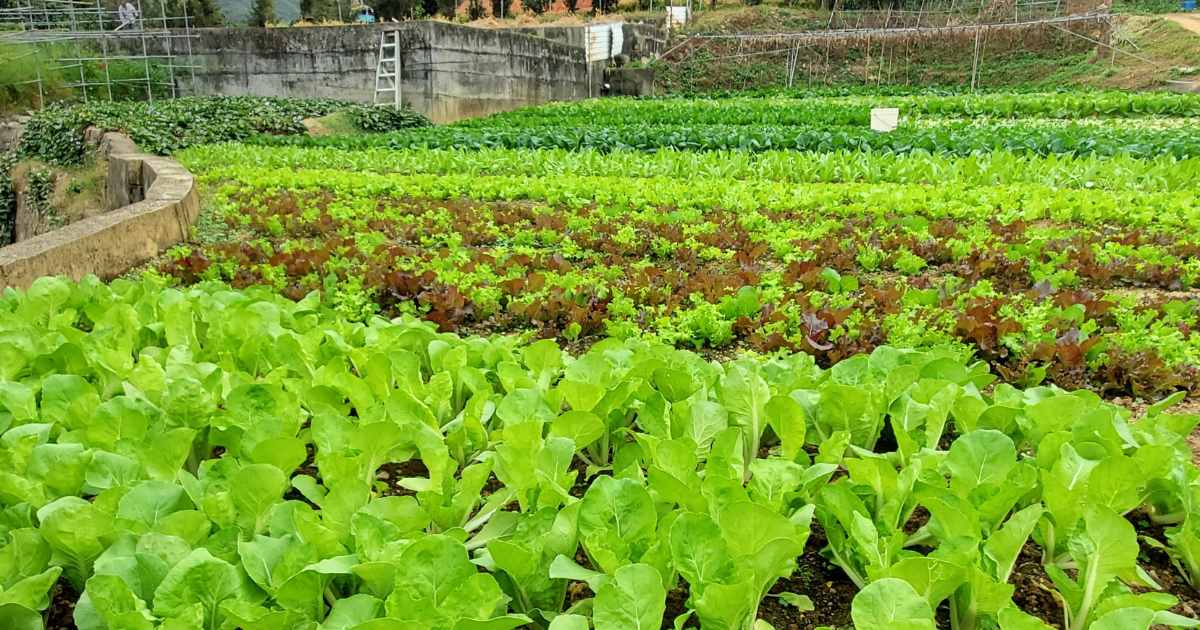
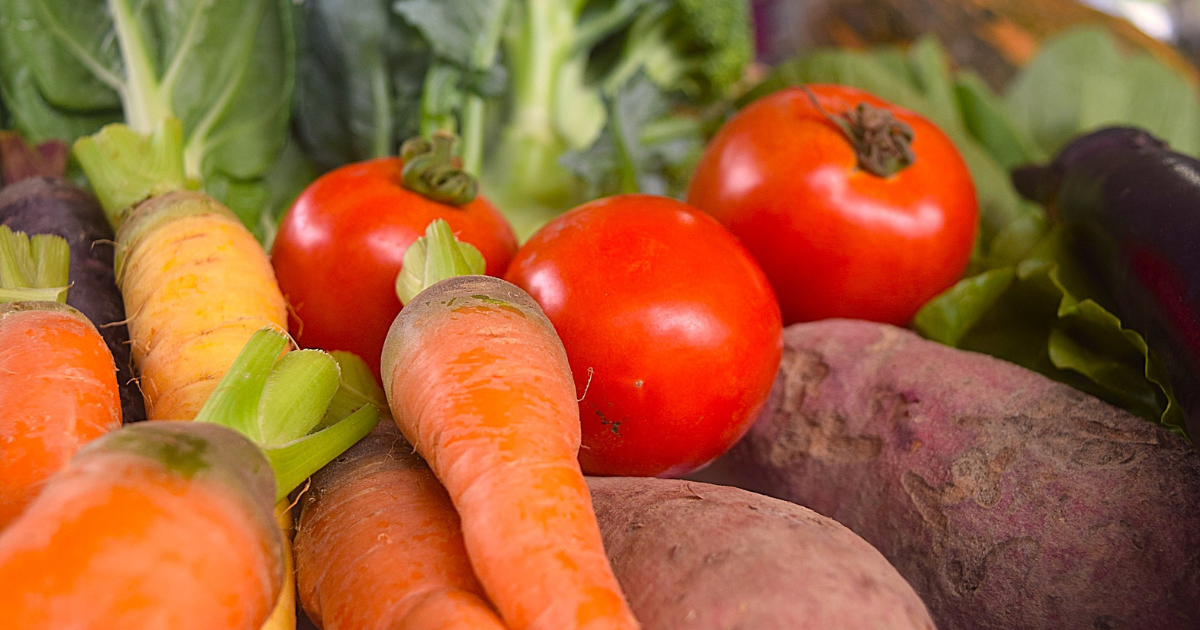
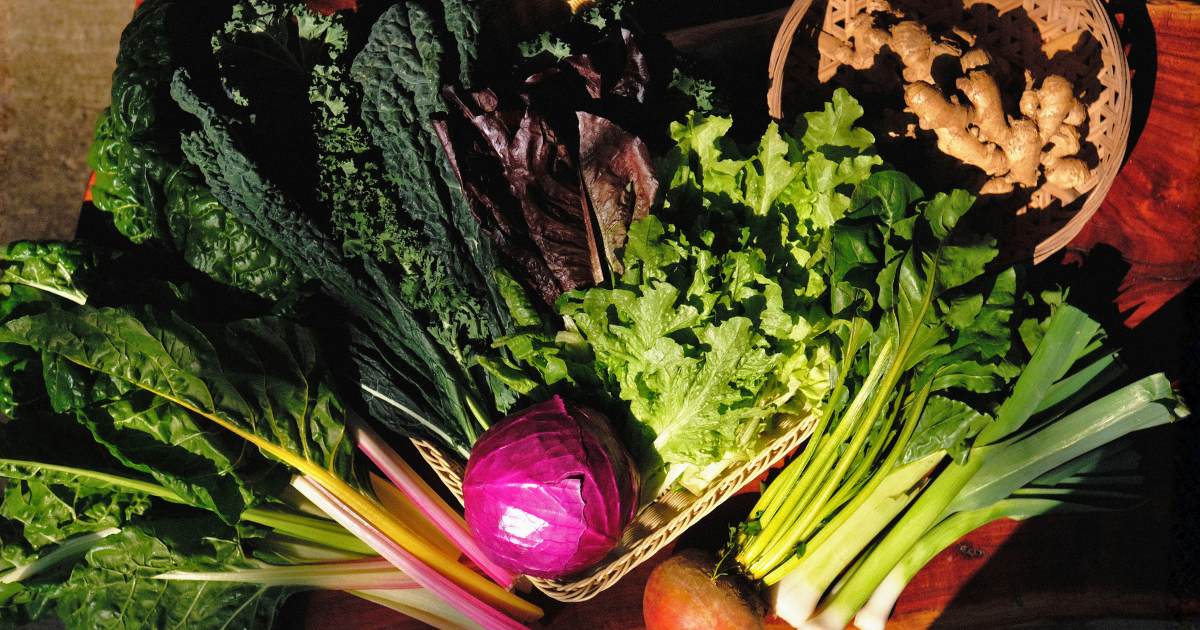
In recent decades, vegetable farming has dominated Hong Kong’s agriculture. KFBG maintains one hectare of vegetable fields, growing over 60 types of seasonal vegetables, including leafy greens, gourds, beans, Solanaceae, and root crops. However, as vegetable farming is water-intensive and KFBG has limited flat land and water resources, we carefully regulate the scale of vegetable production.
In addition to vegetables, we grow over 20 types of herbs, including Chinese varieties like coriander and garlic, Western herbs like mint, and tropical herbs like lemongrass and basil.
Fruits
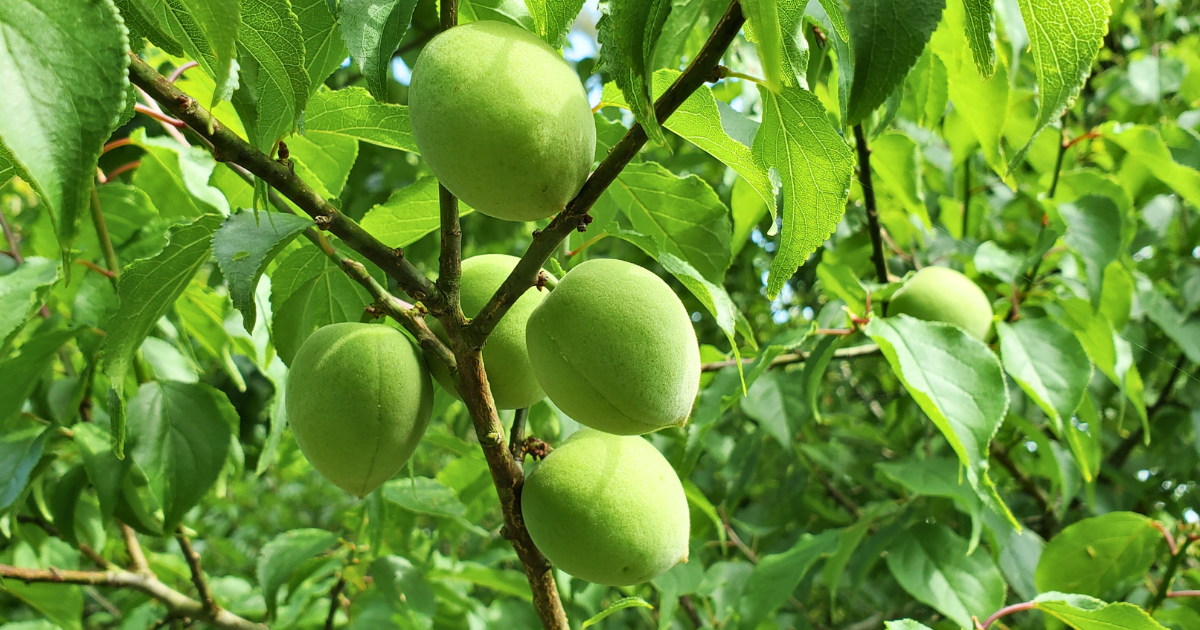
Our orchard grows over 20 types of fruits suited to South China’s climate, with higher-yielding varieties including bananas, papayas, guavas, pomelos, and flowering apricots. We also maintain a small fruit seedling nursery to support our agricultural outreach efforts.
Tea and Coffee
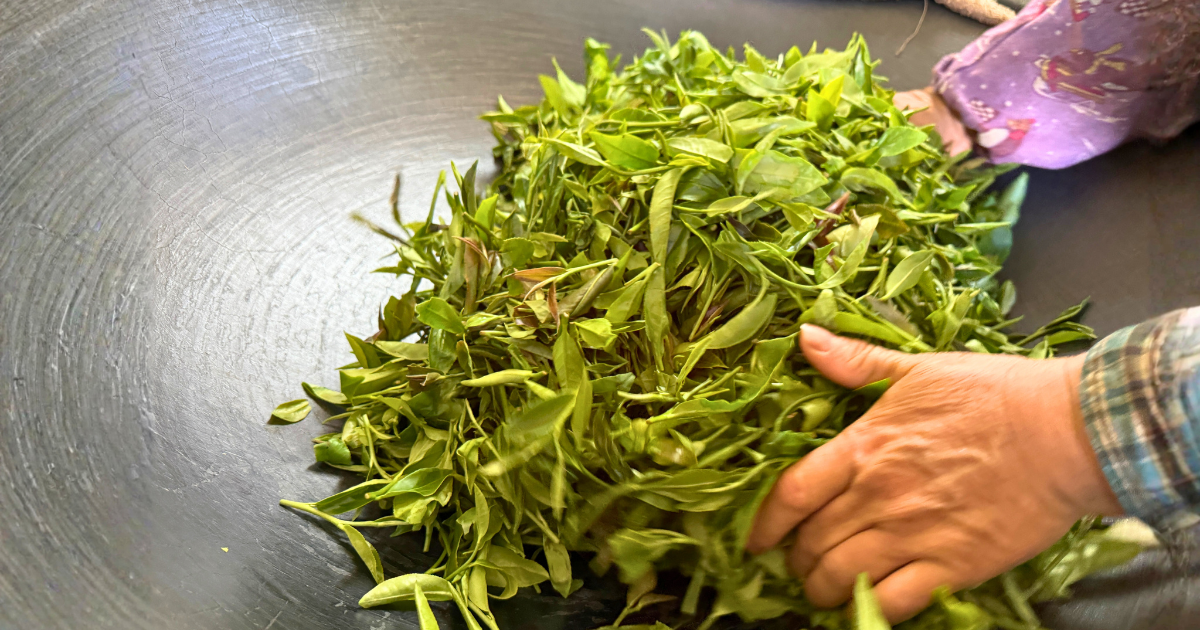
Since the 1970s and 1980s, KFBG has experimented with tea and coffee cultivation, establishing tea and coffee gardens in the upland areas. Tea production focuses on green tea, while coffee primarily involves Arabica varieties.
Beyond in-house production, these gardens promote Hong Kong tea and local coffee, with coffee seedlings also supplied externally.
Chickens
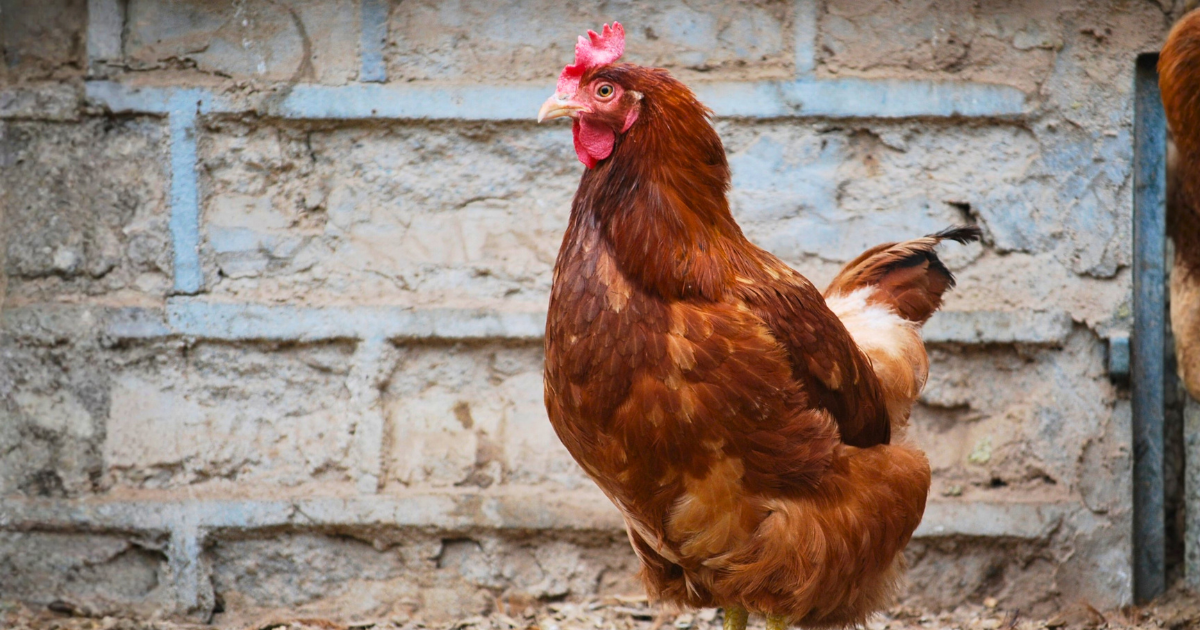
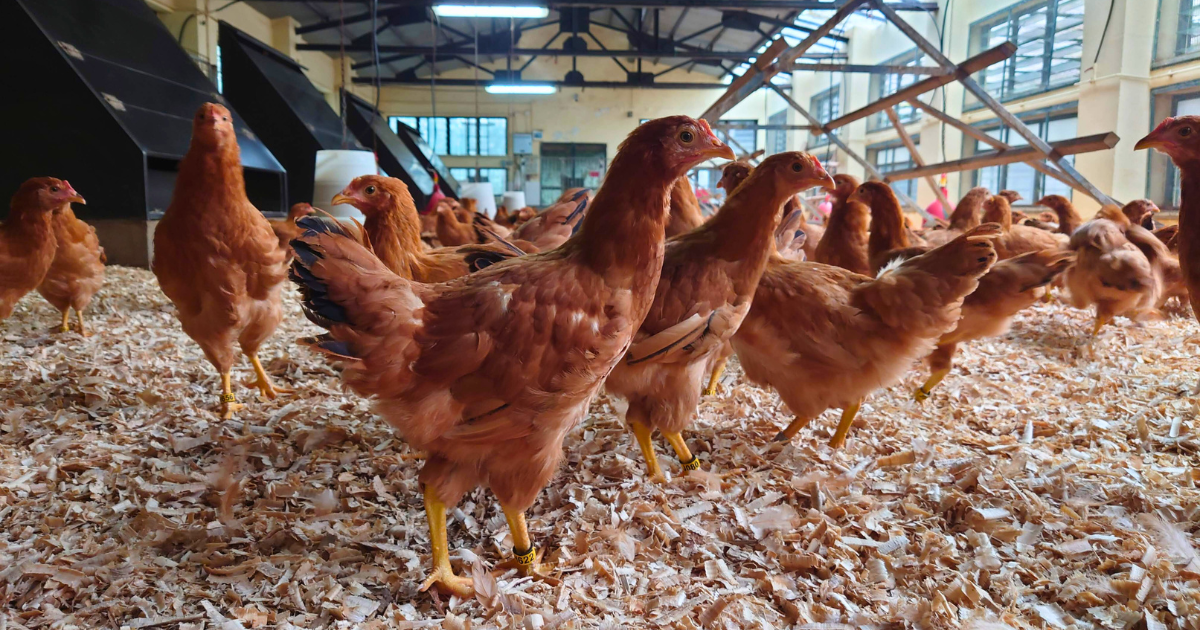
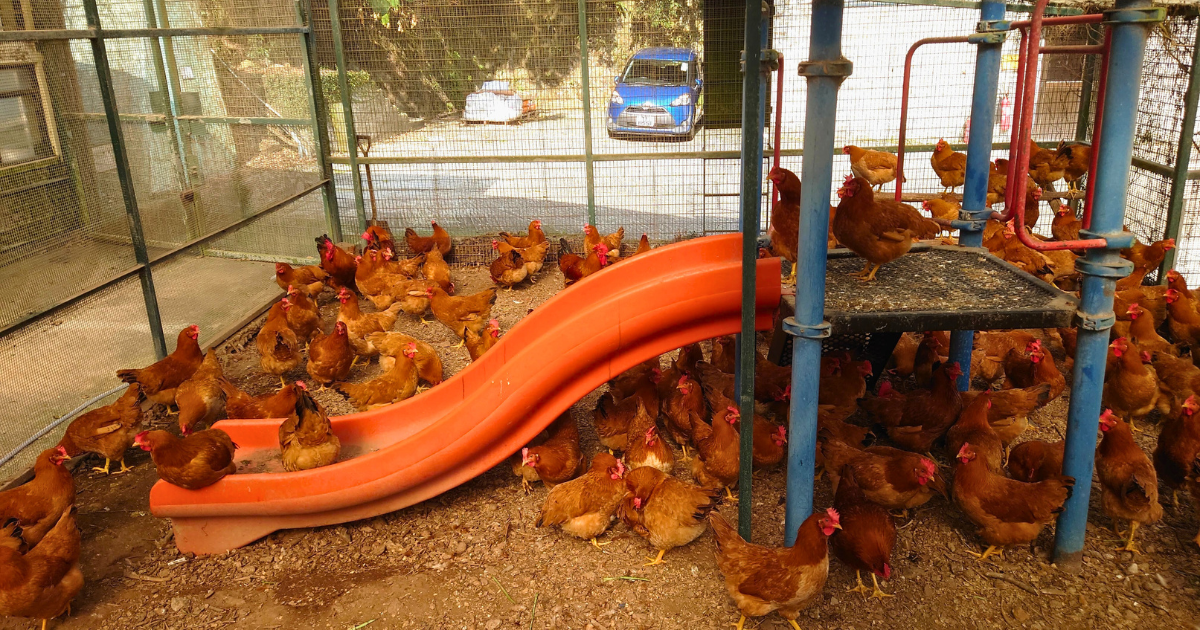
Our farm raises approximately 1,500 chicken, including breeds from China (Yellow Huizhou and White Huizhou), the United States (New Hampshire), and a unique hybrid developed at KFBG — the Pak Ngau Shek Chicken.
The White Huizhou chicken holds significant conservation value, while the Pak Ngau Shek Chicken was once a popular breed in Hong Kong. We carefully preserve both.
These chickens provide fresh, healthy eggs daily and play a vital role in organic resource recycling, as their manure is essential for our compost production.
Honeybees
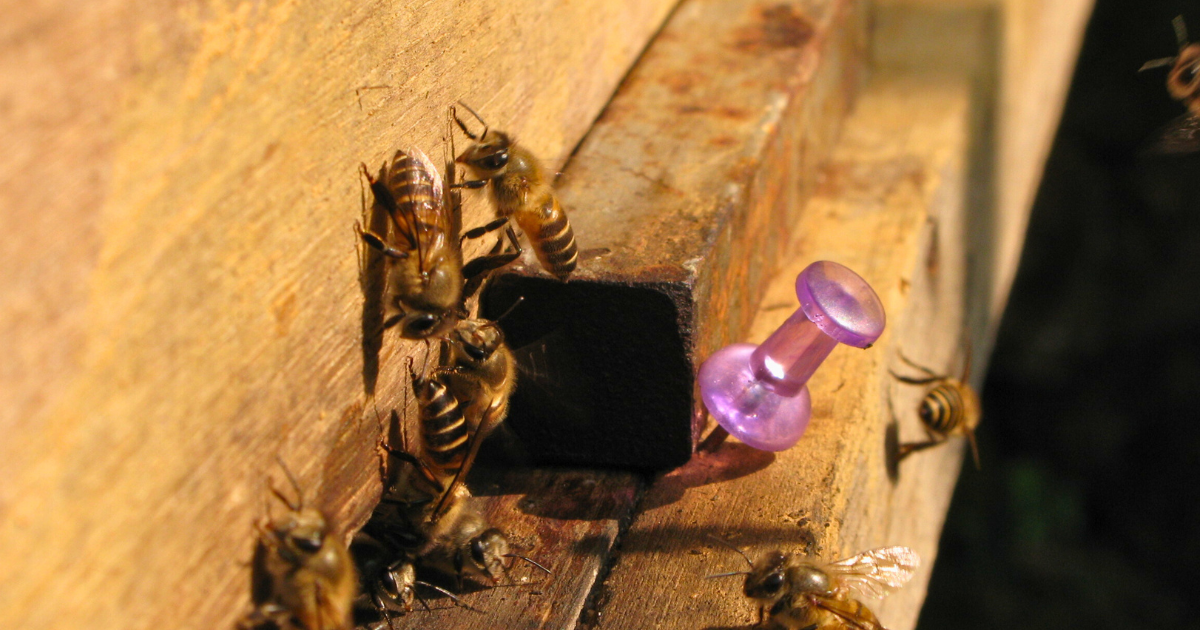
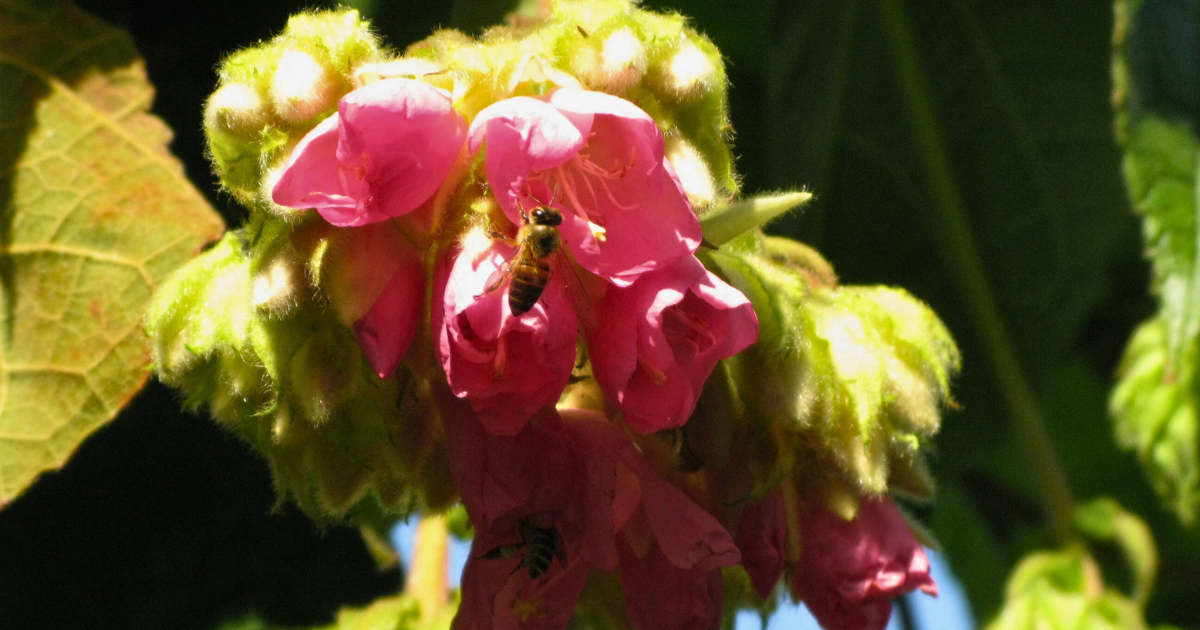
Our apiary maintains over 50 beehives. Fruit trees on our farm and nearby secondary forests on the northern slopes of Tai Mo Shan provide valuable and reliable nectar sources.
We choose Chinese honeybees, well-suited to the local environment, and avoid chemical treatments like antibiotics. Major nectar sources include fruit trees like lychee and longan, as well as native trees such as Ivy Tree and Machilus.
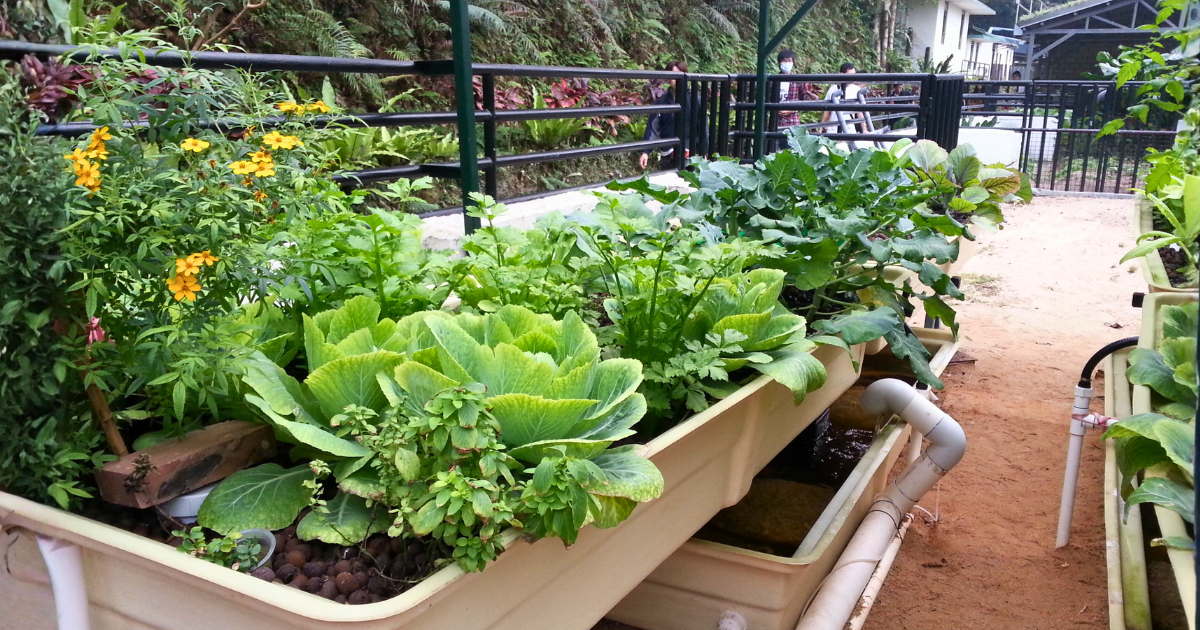
Aquaponics
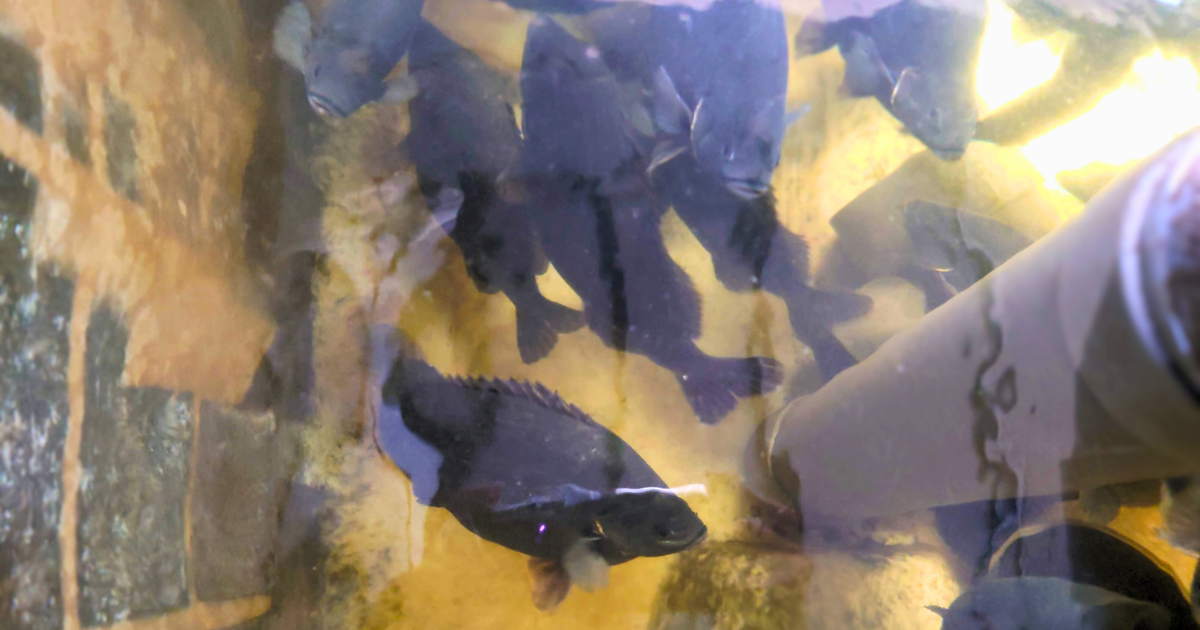
We operate a small aquaponics system, primarily raising Jade Perch. Fish waste from the system serves as fertiliser for vegetable cultivation.
Open to visitors
Agricultural Demonstration Sites
Within the Lower Farm area, three agricultural demonstration sites are open to the public:
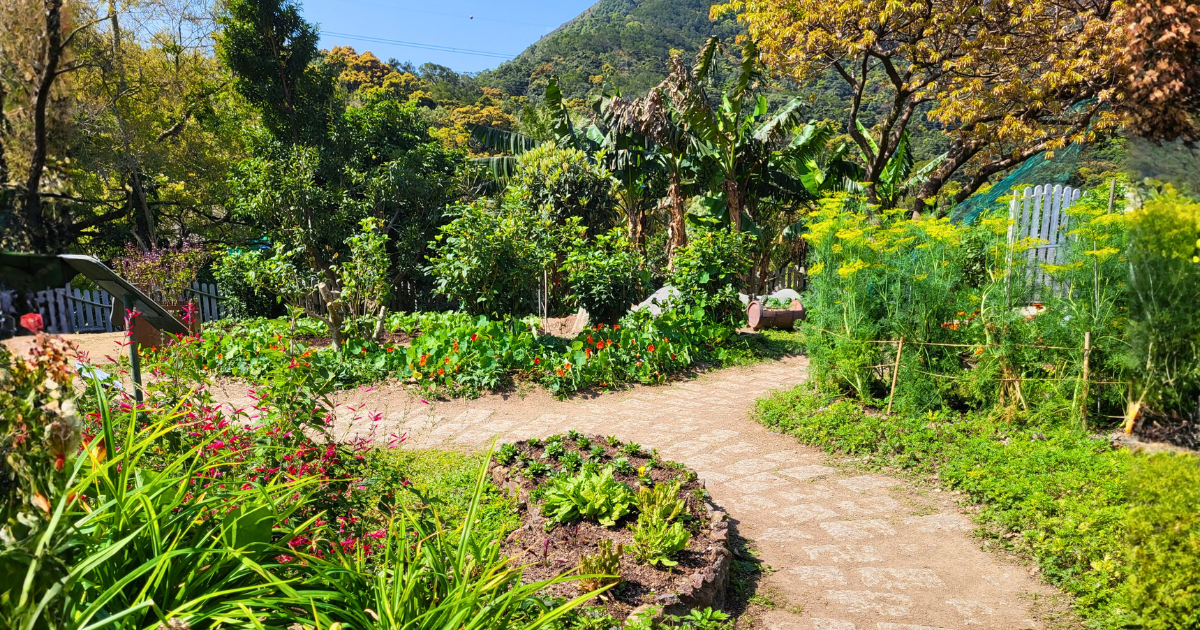
Eco-Garden
This showcases the feasibility of urban farming. Through a simple farm design, it includes multi-layered crop cultivation such as cover crops, vegetables, herbs, shrubs, and fruit trees.
The garden features vibrant-coloured vegetables, edible flowers, and aromatic herbs that stimulate the sense of smell, creating an edible landscape that combines aesthetic appeal with educational elements.
One-Dou Farm
“Dou” is a unique Hong Kong unit of agricultural land measurement, approximately 675 square metres. Though small, a one-dou field can produce enough vegetables to feed multiple people if utilised effectively.
This area serves as a demonstration of soil conservation and aquatic crop cultivation, as well as a practical training ground for our public activities.
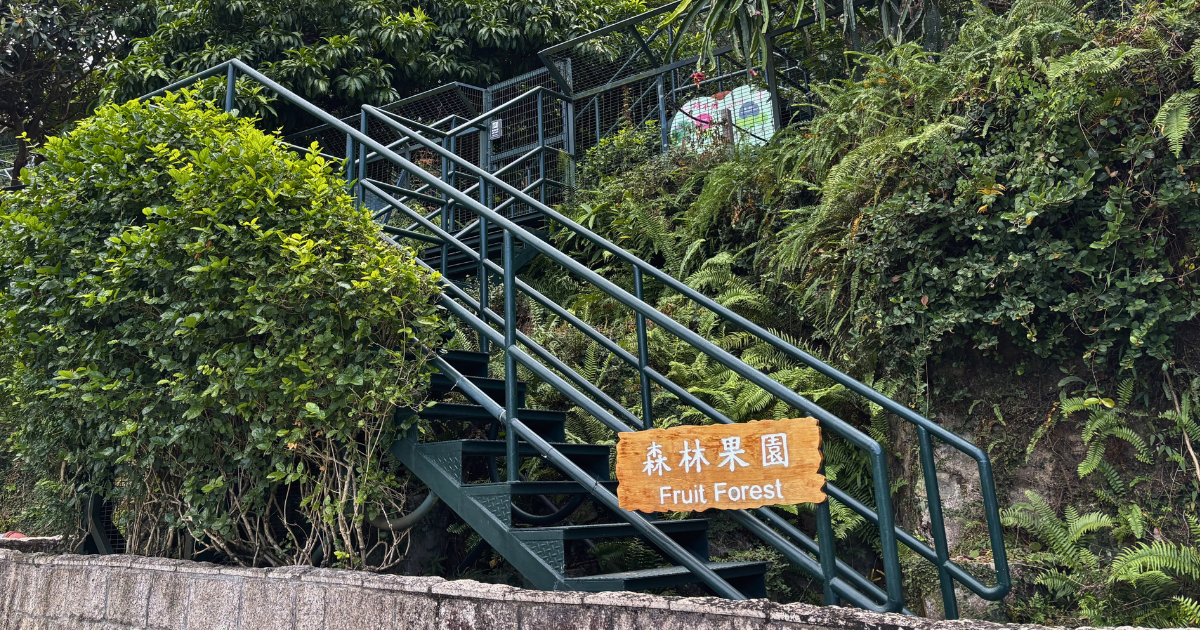
Fruit Forest
This area cultivates over 20 types of fruits suited to Hong Kong’s climate, including wild fruits, coffee, and more. Despite its name, the forest orchard also grows herbs, shrubs, and climbing plants that thrive among fruit trees, including functional agricultural crops such as derris, green manure, and hedgerows.
This showcases a three-dimensional, diverse agricultural landscape.
How we manage
Sustainable Agricultural Management
Adapting to Natural Environment
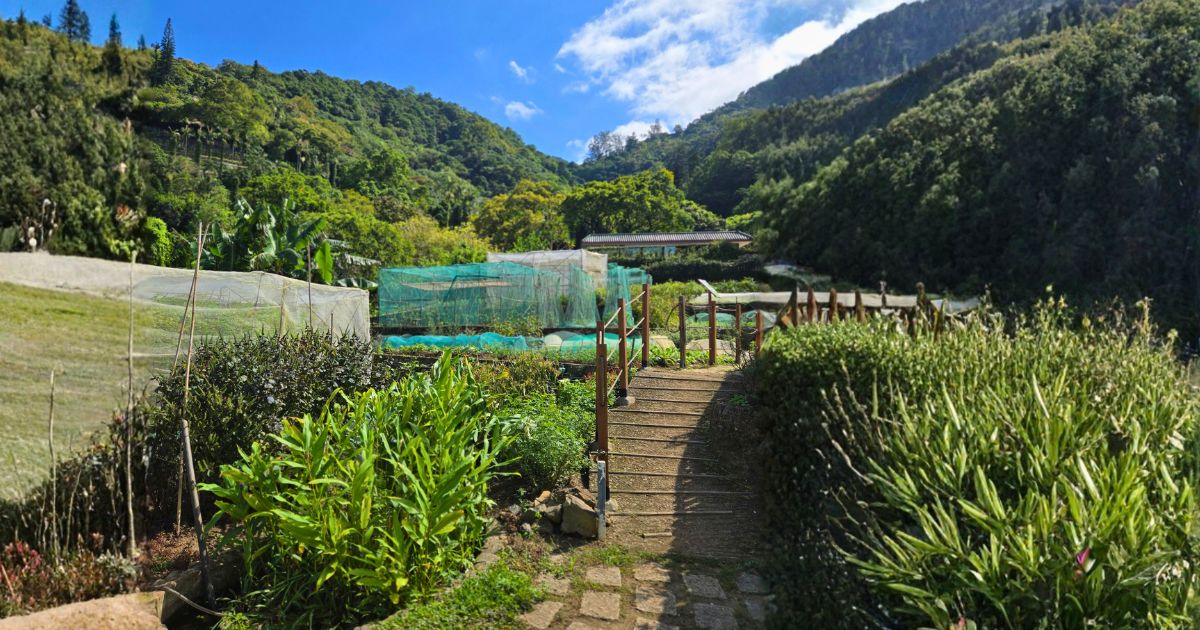
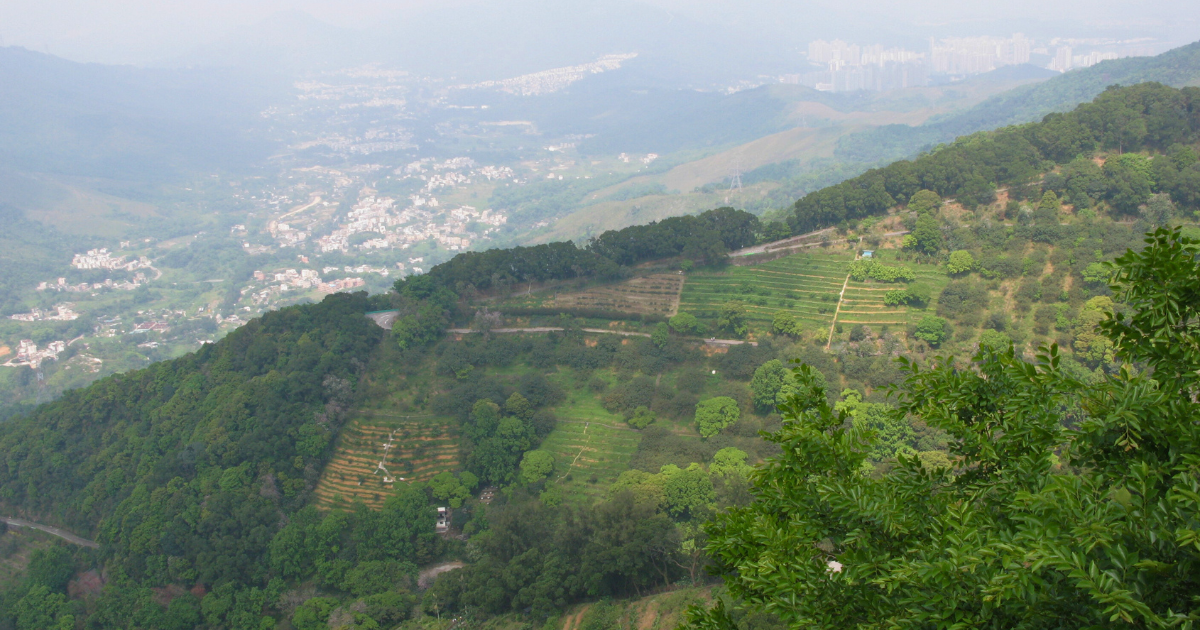
Built along a hillside, KFBG features varying slopes and an elevation difference of several hundred metres, with a perennial stream running through the valley. This diverse topography creates unique microclimates, allowing us to design crop production layouts that align harmoniously with natural water and soil resources.
Upper HillsideAt around 400 metres elevation, the misty slopes proved ideal for planting about 1,000 tea trees on windy, sunlit terraces. Shadier, less windy slopes are used for our coffee garden, and both thrive at KFBG.
Mid-Hill OrchardOur low-maintenance orchards are situated on the gentler mid-hill terraces.
Lower HillsideAt approximately 200 metres elevation, the low-hill terraces serve as a key production zone. This area also hosts demonstration farms like the Eco-garden, Fruit Forest, and One-dou Farm for public visits and outreach.
Soil and Water Resource Management
Soil and water are precious natural resources. As a model for sustainable agriculture, KFBG is committed to managing them responsibly to maintain harmony between agricultural production and the natural ecosystem.
Soil Protection
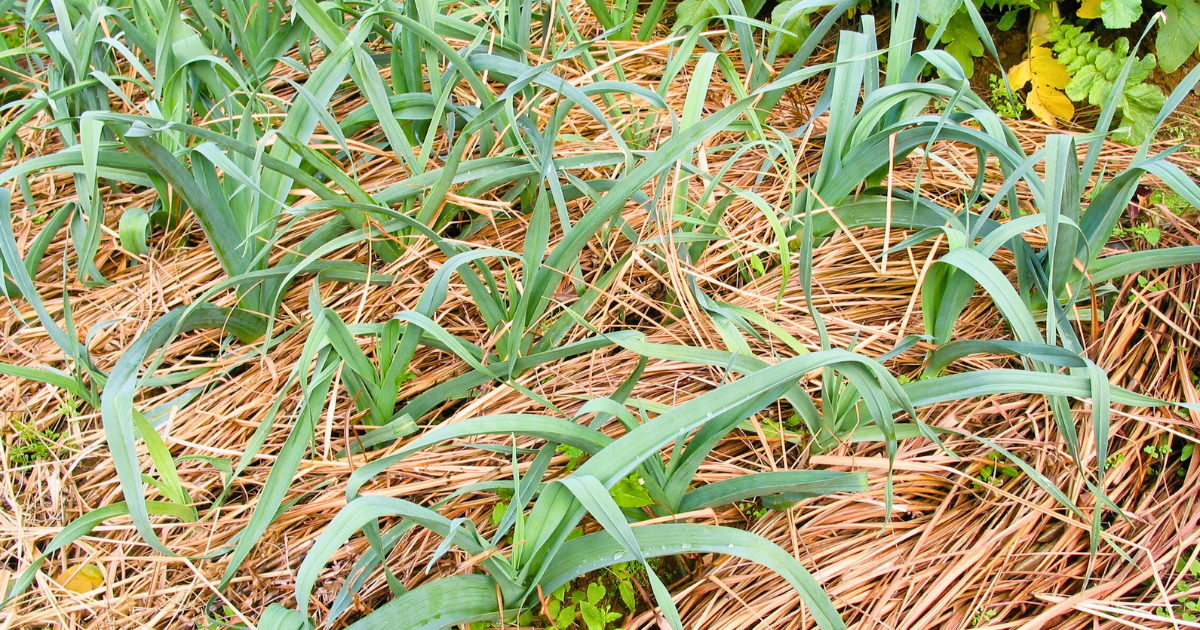
Topsoil is the most valuable asset in agriculture. To prevent depletion, we avoid high-powered tillage machines and use mulching to protect the fields. We refrain from burning fields or using chemical inputs, applying compost regularly instead. Barriers are also installed on terrace edges to minimise soil erosion.
Water Conservation
Our irrigation relies on the stream near Kwun Yum Shan, the lifeline of KFBG. We adopt a “spending within means” strategy, using available water carefully without planting unsuited, water-intensive crops. We also practise water-efficiency by:
- Wastewater Reuse: Water used to clean produce, which contains only minor sediment, is collected and reused for irrigation without harming the environment.
- Woodchip Manure Absorption: Instead of using large amounts of water to clean chicken manure, we use the deep bedding method, with woodchips absorbing it, significantly reducing water use and pollution.
Closing the loop
Organic Resource Recycling
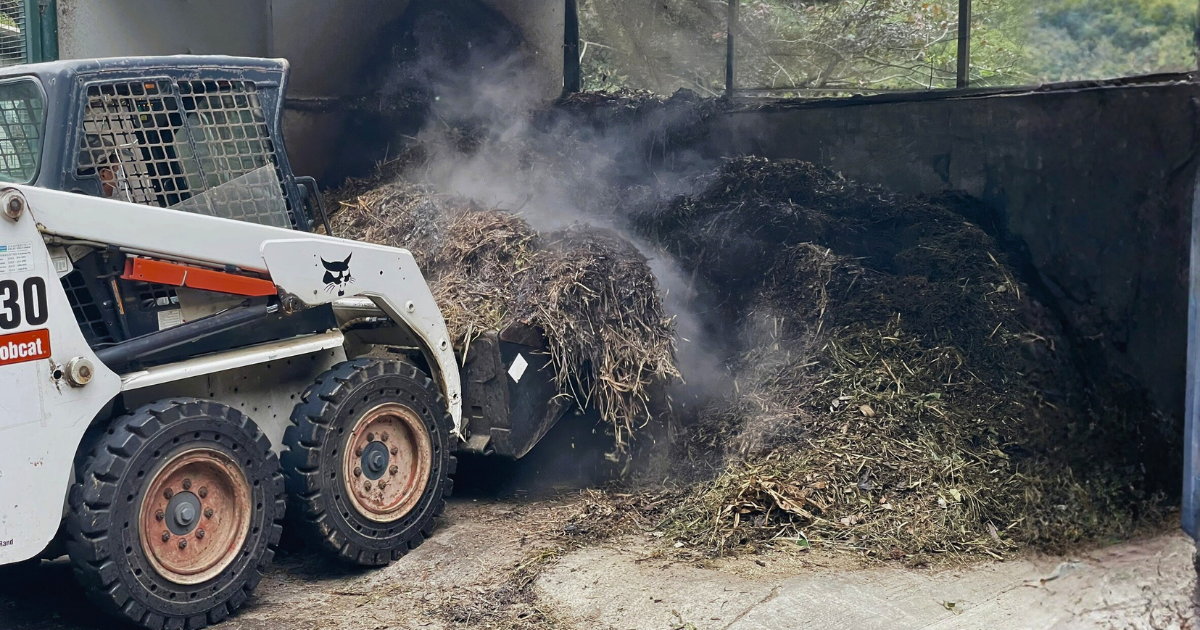
Effective resource recycling ensures sustainable energy flow. KFBG employs composting and wetland strategies to manage solid and liquid waste.

Beyond the crops
Animal Welfare
While focusing on crops, KFBG ensures the environments for our chickens, fish, and honeybees align with their natural behaviours.
Pathways
Explore Our Regenerative Journey
Select a pathway below to discover our history, technical practices, or ways to join our community.