
Why Local Farming Matters

Regenerative Agriculture - Regenerative Agriculture
Hong Kong grows under 2% of the vegetables it eats. What local farming still gives — landscape, culture, community — and the pressures against it.
Why it mattersThe Multifaceted Value of Agriculture
With proper planning and development, agriculture transcends simple food production to manifest profound ecological, social, and cultural values:
Agricultural Landscape
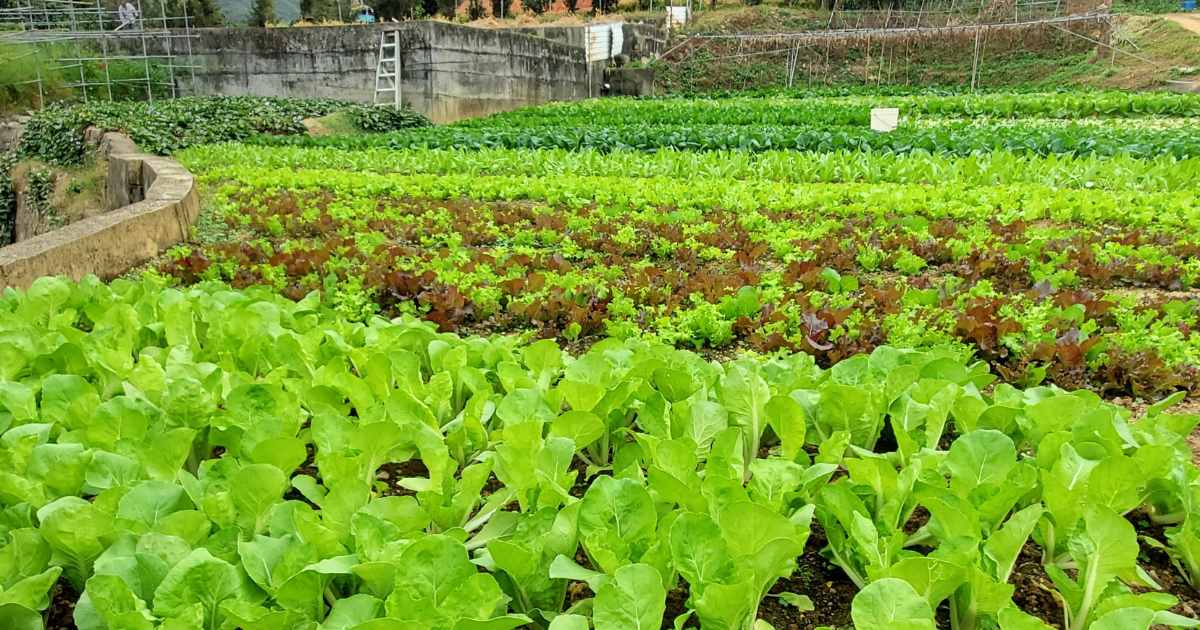
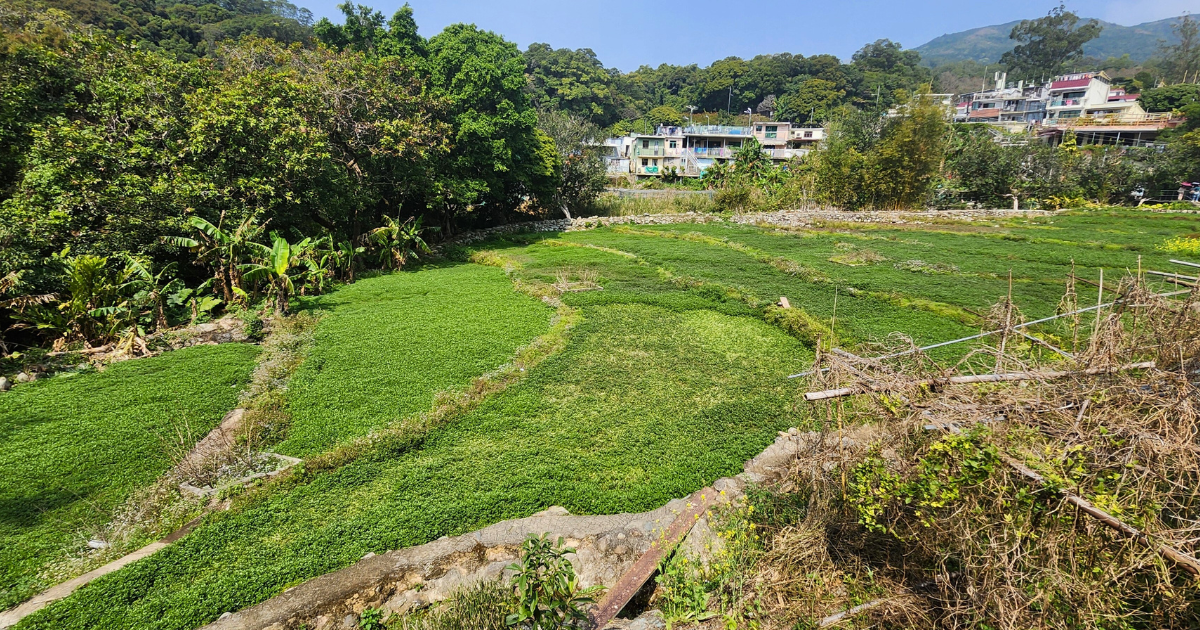
Farming inherently involves the reorganisation of water and soil resources. Well-designed agricultural landscapes can simultaneously provide rich ecological and productive value. The Food and Agriculture Organization of the United Nations includes historically significant agricultural landscapes worldwide in its “Globally Important Agricultural Heritage Systems” list.
Even in a small place like Hong Kong, exemplary agricultural landscapes that balance ecology and food production can be found, such as Tai Po Tin in Ping Che and Chuen Lung in Tsuen Wan, which deserve our attention and preservation.
Rural Landscape and Culture
Farming is a human activity that thrives when aligned with nature, achieving harmony with the environment. The Satoyama Initiative, proposed in 2010, advocates for sustainable management practices that balance biodiversity, social and cultural functions, and the use of biological resources in rural landscapes.
In Hong Kong, places like Lai Chi Wo and Kuk Po have seen scholars and local communities working to restore rural areas with sustainability principles in recent years.
Community Building
Since ancient times, agriculture has given rise to rural communities. In Hong Kong, the evolution of agriculture has shaped various villages. Despite the increasingly complex urban-rural dynamics in modern times, farming — an activity deeply connected to nature — remains an effective way to link individuals with their communities and foster social cohesion.
Recreation and Education
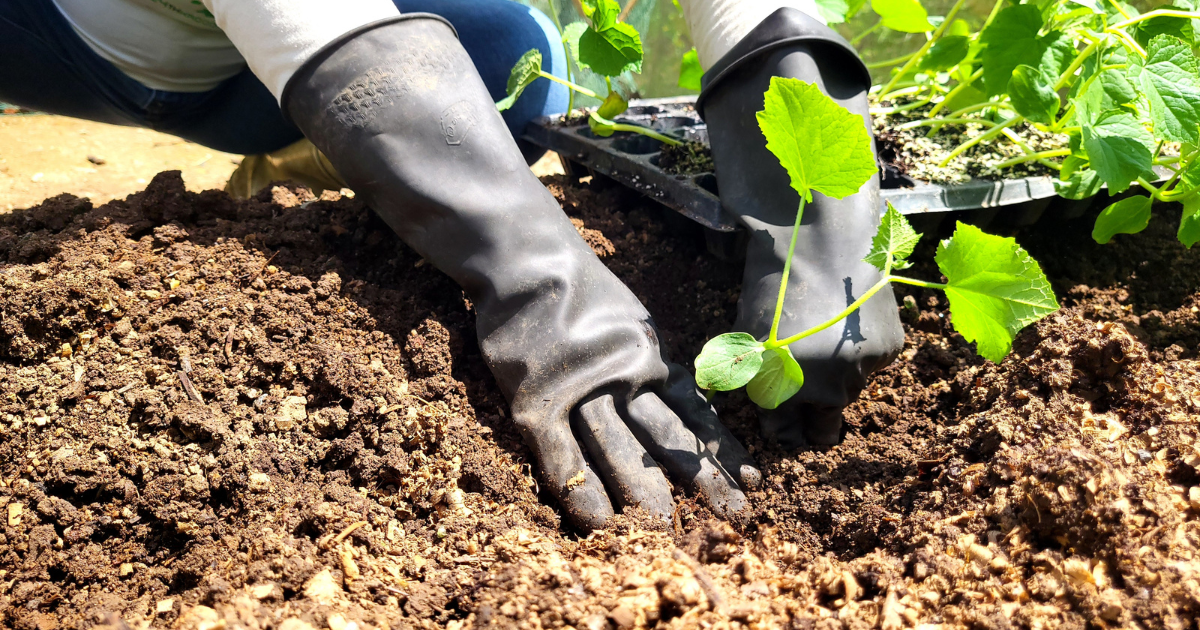
Regardless of age, gender, ethnicity, or social status, farming offers recreational value that promotes physical and mental well-being. The process of cultivation connects us with natural resources like sunlight, rain, soil, and wind. This interaction serves as a form of green education, deepening our understanding of nature.
The challenges
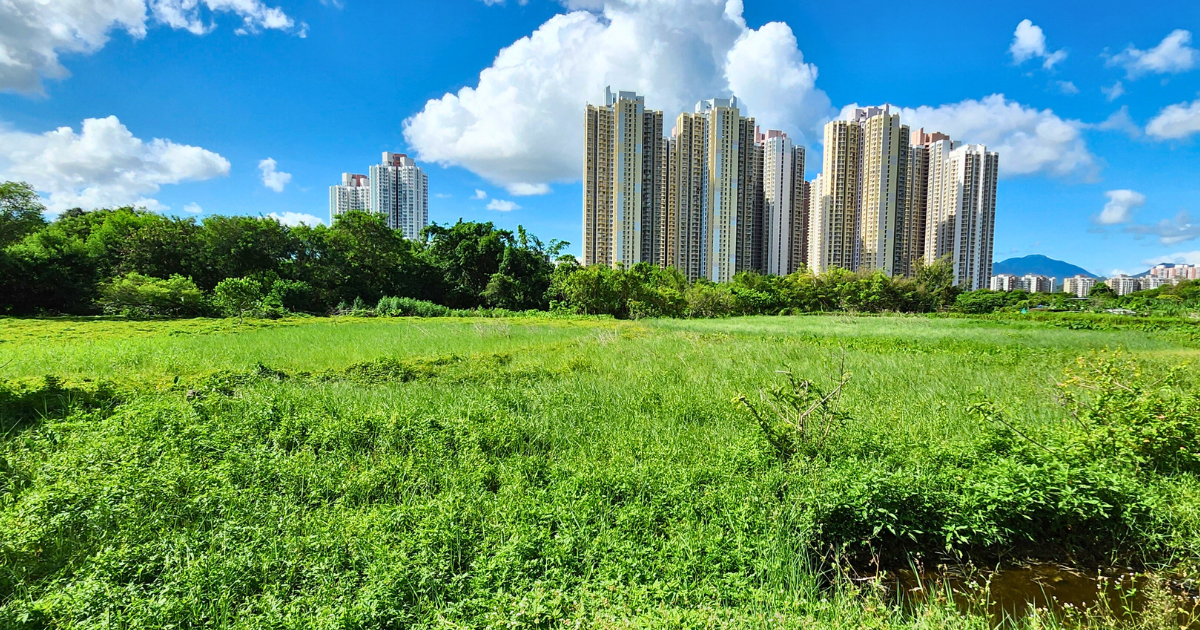
Facing the Dilemmas
Modern farmers face systemic pressures:
Land Insecurity
Hong Kong lacks robust farmland conservation policies, making it easy to repurpose agricultural land for other uses, undermining the principle of “farmland for agricultural use”. With unchecked development pressures, much farmland has been converted into brownfields. Even when farmers secure land, they often face unreasonably high rents or short-term leases.
Sales Obstacles
Since the millennium, organic produce has become a dominant force in local agriculture. However, traditional sales channels like vegetable depots and dawn markets are not well-suited to the modern agricultural market. Farmers must juggle field management with additional tasks like sales and marketing, adding significant pressure.
Technological Gap
Historically, farming techniques were passed down within families. However, modern farming is no longer centred around family units, necessitating new organisations to take on the role of teaching and developing agricultural knowledge. While both government and private sectors offer various farming courses, these often prioritise theory over practice, limiting their practical value to the industry.
Pathways
Explore Our Regenerative Journey
Select a pathway below to discover our history, technical practices, or ways to join our community.