
Kadoorie Farm and Botanic Garden’s forest restoration programme achieves world’s-first Premium-Tier Certification

High-resolution images, please download from: https://s.kfbg.org/Tvd6mP
(Hong Kong, 10 December 2025) Kadoorie Farm and Botanic Garden’s long-running, scientifically informed forest restoration programme has been awarded Premium-Tier Certification by The Global Biodiversity Standard, the first site in the world to achieve this accolade.
For almost 30 years, Kadoorie Farm and Botanic Garden (KFBG) has managed the upper slopes of its site in Hong Kong’s New Territories expressly for the purpose of rehabilitating native biodiversity and revitalising ecological function. Hong Kong is thought to have lost its natural forest cover centuries ago. Where tall, diverse subtropical forests once stood, the landscape of the region has been converted into a mosaic of anthropogenic shrubland, grassland and low-diversity secondary forests, with the expansion of agriculture and plantation forestry, as well as ongoing hill fires and urban development, being the chief causes. These processes continue to degrade forests worldwide, driving biodiversity loss, soil erosion, climate change and the disruption of vital ecosystem services, the effects of which are becoming increasingly costly to offset and reverse. KFBG’s approach to land stewardship demonstrates the power of investing in nature-based solutions today for a more resilient future.
Conscious of the need to identify ways of addressing degradation, KFBG commenced trials of a small selection of native tree species in the late 1990s to see which could most readily withstand the harsh, exposed conditions prevalent in the fire-damaged grassland at the top of its site on the slopes of Tai Mo Shan. In the absence of any textbook guidelines on how this might be achieved and despite numerous challenges, this fundamental research established first principles for overcoming barriers to forest recovery which, since the early 2010s, have grown into a multifaceted, science-driven programme that now involves planting thousands of seedlings belonging to hundreds of different native species every year.
“If the time since the clearance of the original forests was not so long, if patches of diverse, natural vegetation still remained, and if manmade hill fire was not the issue that it is, then it is conceivable that the amazingly rich communities of plants, fungi and animals of the region could recover of their own accord,” says Dr Stephan Gale, Head of Flora Conservation and manager of KFBG’s forest restoration programme. “The reality is, numerous native species are so rare and their populations so diminished, that they are unable to rebound by themselves. This situation is compounded by highly degraded soils, the loss of pollinators and seed dispersal agents, the presence of invasive species and other complex ecological factors, meaning that the best hope of recovering the region’s native forests is through active restoration.”
The Society for Ecological Restoration[1] defines ecological restoration as the “process of assisting the recovery of a native ecosystem that has been degraded, damaged or destroyed”. In practice, it requires deep knowledge of natural communities at the local scale, and expertise in horticulture, ecology and land management, so that site-appropriate efforts are developed to identify and overcome engrained barriers to recovery. Working with nature is the key.
Restoring nature in this way not only benefits myriad other species, but it also allows interactions between them to proliferate – and this web of inter-connectedness is the basis of ecological resilience, by which humans also benefit. “Restoring degraded forest is very challenging, especially in places like Hong Kong where many species co-exist even in a small area, because encouraging all that biodiversity to regenerate as a functional whole takes a lot of effort and time,” says Dr Fernanda Cardoso, KFBG’s Restoration Ecologist. “But if we get it right, it is incredibly rewarding. At KFBG’s forest restoration site, we are now seeing rare trees planted six or seven years ago flower and fruit for the first time, attracting insects as pollinators, which in turn attract birds and mammals. This means that many other species benefit. If the resulting seeds spread, so the cycle grows.”
“Becoming the first restoration project to reach TGBS Premium-Tier Certification globally, as well as the first site to be certified in East Asia, is a wonderful acclamation of many years of hard work, learning about our land, flora and fauna, and striving for the best outcomes for biodiversity and ecological function,” Stephan added.
This year marks the midpoint of the UN Decade on Ecosystem Restoration, which runs to 2030. This initiative is raising the profile of the importance of harnessing nature’s own capacity to self-regulate and self-sustain through careful land stewardship that is sympathetic to both native biodiversity and local people. Many new, grassroots projects have emerged worldwide, in which the emphasis is on the quality of canopy cover that comes back, rather than the quantity. KFBG’s Senior Ecologist Dr Jinlong Zhang says this is vital, because “too many tree-planting initiatives have focused on the numbers – numbers of trees or volume of carbon, for example – whilst overlooking the ecological impacts and long-term viability of what is being planted.”
Since 2013, KFBG has adopted an experimental approach to analyse which species are best planted together, and which management interventions and environmental factors lead to the best outcomes in terms of biodiversity uplift. And in the past four years, the programme has begun to address ecological processes – biomass accumulation, species interactions, nutrient cycling and fire resilience, for example. It is this long-term commitment to vital, wide-ranging ecological questions, as well as attention to associated social, statutory and financial aspects, that impressed the assessors from The Global Biodiversity Standard (TGBS), an independent, scientifically rigorous certification scheme for sites committed to biodiversity outcomes that launched at COP16 in 2024. Their assessment of KFBG’s restoration programme recorded the highest scores yet for any project worldwide – 9.3 out of 10 – of all the sites that have applied so far. These include sites in Latin America, India and Africa, such as Kasenene and Nyantonzi in Uganda, where the Jane Goodall Institute is restoring a forest corridor critical for chimpanzee conservation. This enabled KFBG to attain Premium-Tier Certification, the highest of the three TGBS grades.
On announcing the result, TGBS Chief Executive Officer Dr David Bartholomew said, “this achievement shows that restoration, when implemented through a science-based approach, can truly protect, enhance and restore biodiversity. KFBG now provides a model for others working in nature-based solutions, and as a TGBS Hub, they are well placed to share this knowledge.”
TGBS Hubs offer tailored, local expertise to mentor and assess third-party sites on their impact in terms of biodiversity uplift and related social benefits. At present, KFBG is the only Hub in East Asia authorised to apply TGBS standards and methodology in this way. By adopting TGBS mentoring or pursuing TGBS certification, land managers, donors and grant-making bodies are provided with the highest level of assurance that their investments deliver measurable, best-in-class biodiversity outcomes that are aligned with international frameworks, thereby minimising risk associated with unsustainable commodities, environmentally damaging practices or overlooked metrics.
With the UN’s announcement in October that humanity has crossed the critical 1.5°C global warming threshold, the urgency to implement restoration to counter potentially devastating impacts could not be greater. KFBG’s Executive Director Wander Meijer underscored that the world needs more sites like theirs: “The challenge now is to upscale and spread, so that more parts of Hong Kong, South China and tropical Asia commit to higher standards for biodiversity. With KFBG also being a TGBS Hub, we wish to assist with mentoring and assessing other sites to achieve meaningful outcomes, as we have.”
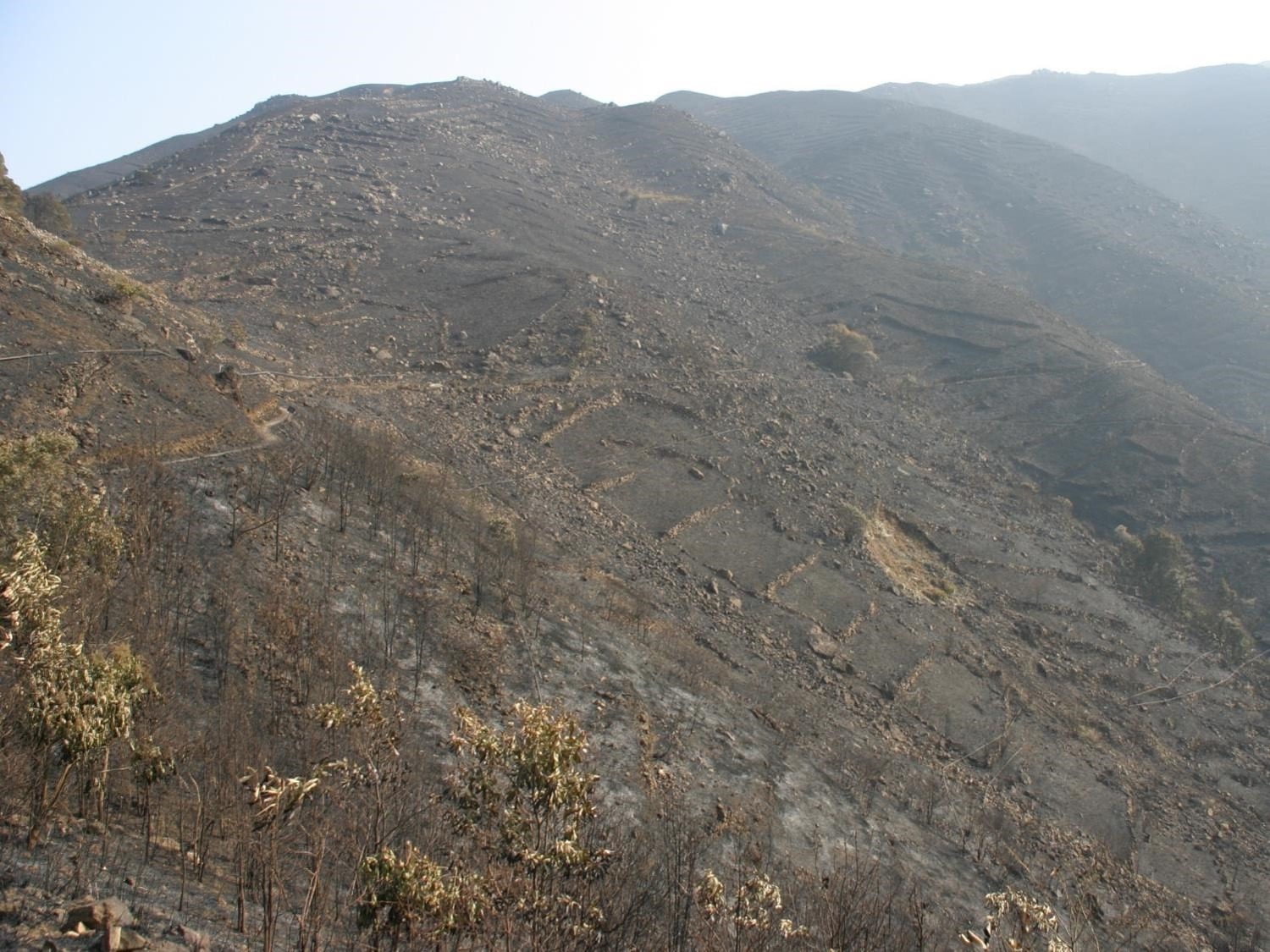
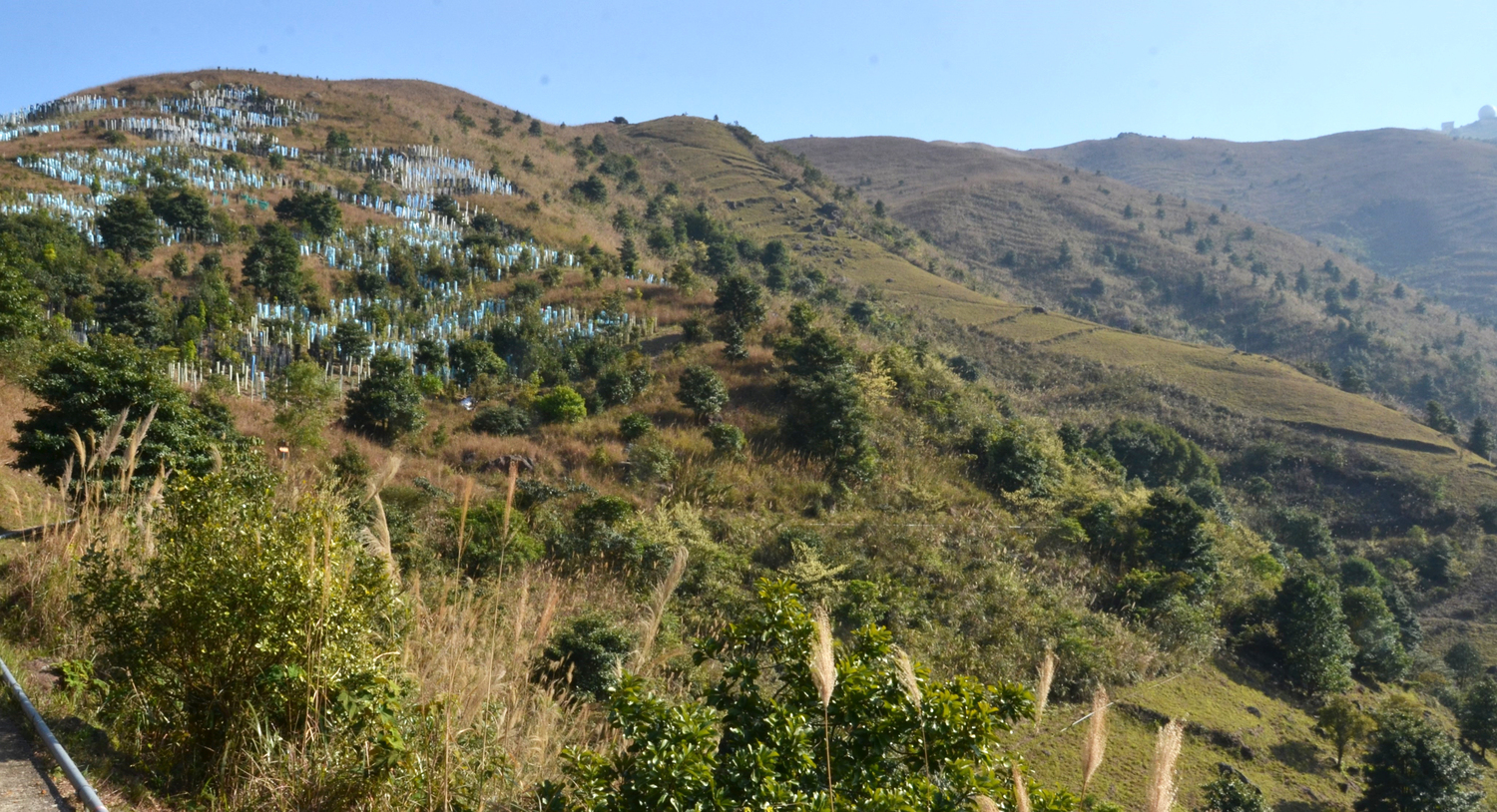
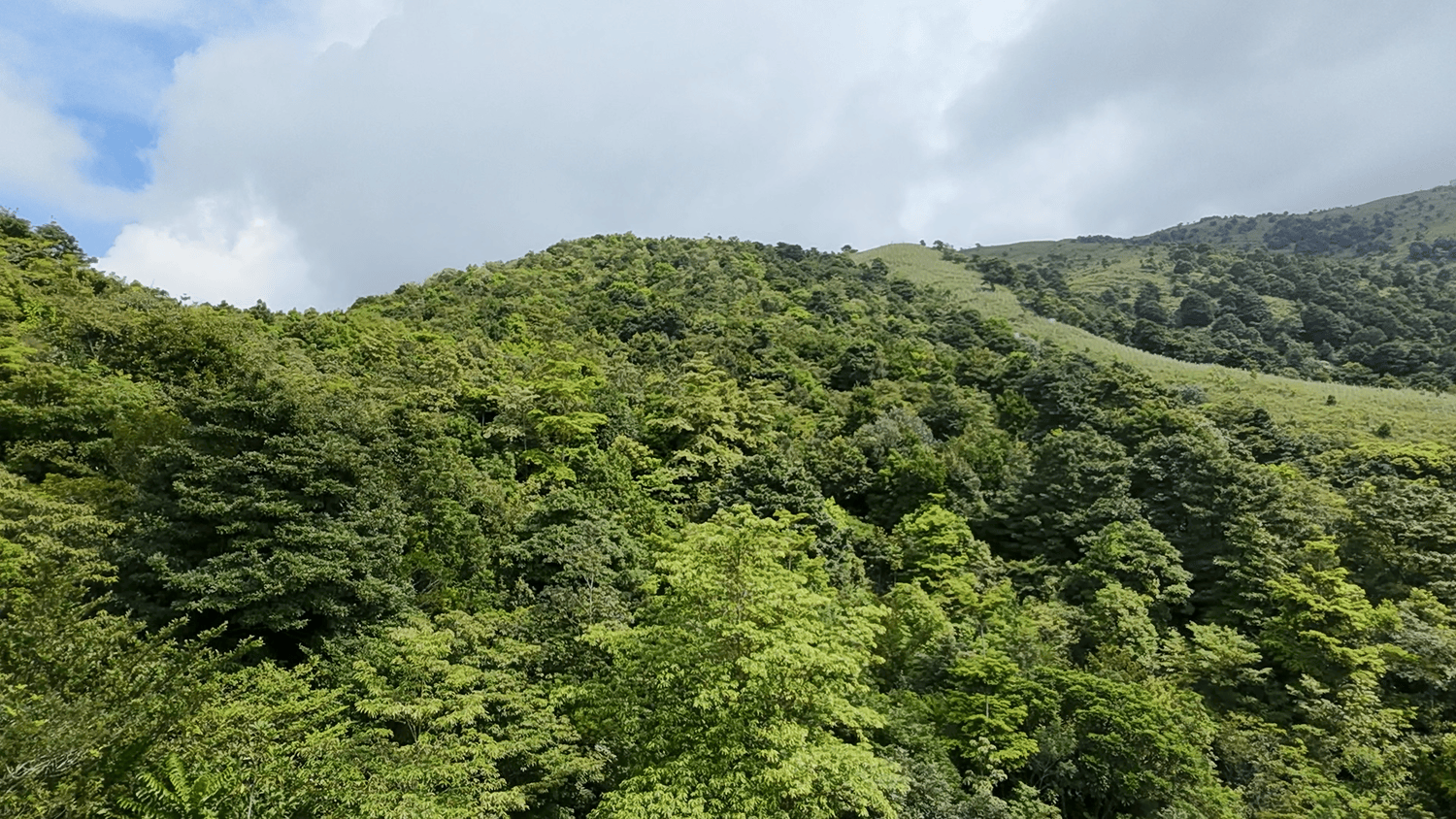
The outlook and ecological value of KFBG’s uppermost landscape have changed dramatically over the past 20 years, following a devastating fire in 2004 that eliminated all previous vegetation. The scale and scope of recovery are the result of active, evidence-based land management, native seedling planting and dedicated after-care.
[1] “The Society for Ecological Restoration (SER) is a global network of over 5,000 members from 130+ countries who foster the exchange of knowledge and expertise among ecological restoration practitioners and scientists. In addition to communicating leading-edge tools, technologies, and scientific findings, SER actively promotes best practices and effective restoration policy around the world.” https://www.ser.org