


New Study Calls for Urgent Action to Halt Unsustainable Shark Fin Trade
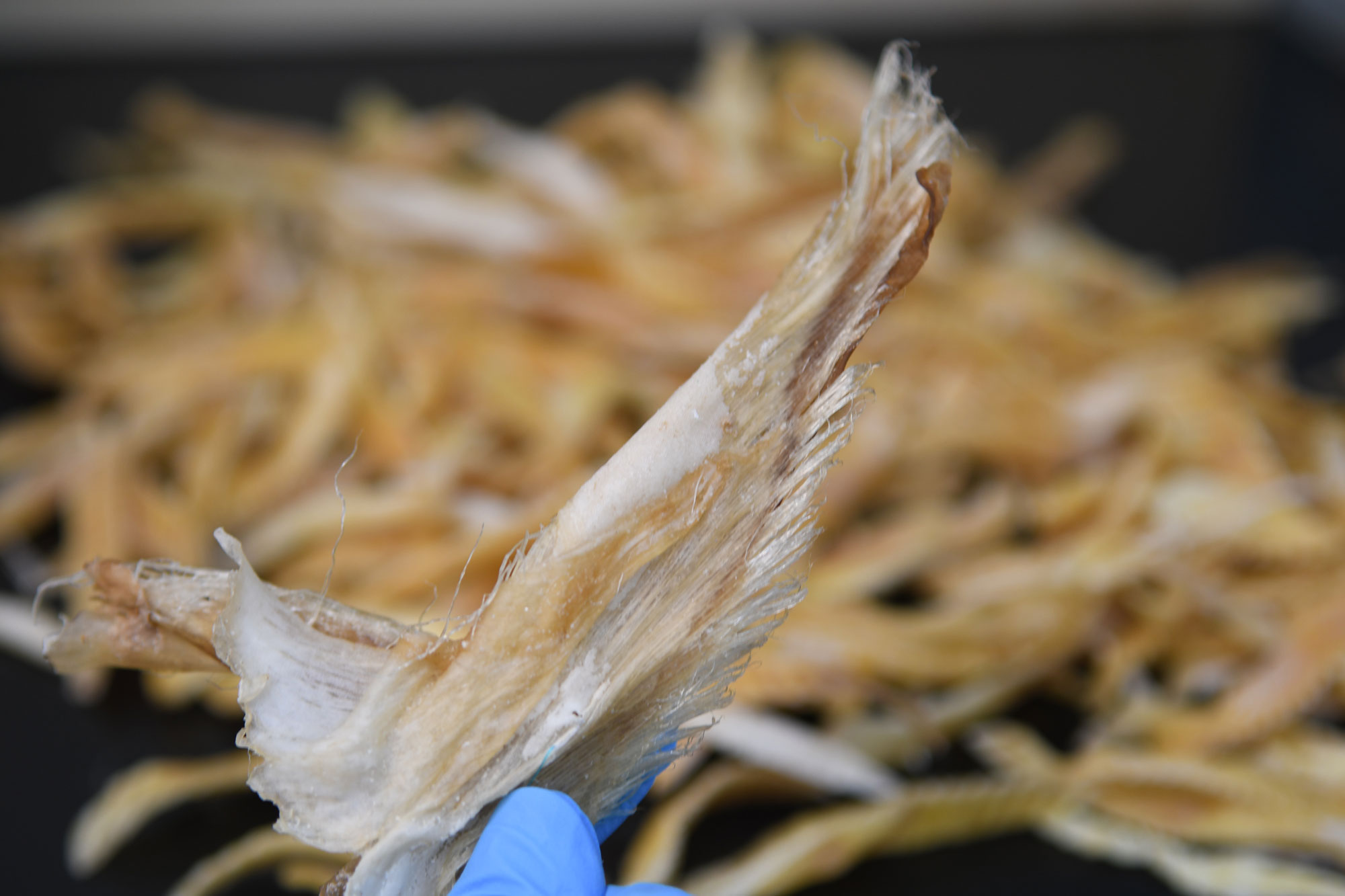
A groundbreaking study published in Science Advances has uncovered critical gaps in global shark fin trade management, issuing a stark call for targeted conservation actions to shield endangered shark species from unsustainable exploitation. The research, which focuses on the world’s largest shark fin trading hub, Hong Kong, reveals alarming levels of illegal trade in protected species and outlines urgent strategies to address the crisis.
Led by researchers from Mote Marine Laboratory, in collaboration with Florida International University and Kadoorie Farm and Botanic Garden (KFBG), among other institutions, the study delivers a sobering assessment of the trade’s impact on imperilled shark populations.
A key finding of the research is that critically endangered species – including hammerhead sharks (scalloped, smooth and great hammerheads) and oceanic whitetip sharks – continue to appear in Hong Kong’s markets in alarming numbers. These species were first listed under CITES Appendix II more than a decade ago, a designation intended to regulate their trade to ensure sustainability. Yet, the study’s analysis shows persistent and widespread trade in their fins.

An in-depth analysis of 16,000 samples collected from Hong Kong’s markets revealed alarming findings. Fins from CITES-listed species were detected in 6.5% of all sampling events – far higher than the figures governments report to CITES. In a particularly striking discovery, the volume of oceanic whitetip shark fins (a Critically Endangered species) in Hong Kong’s markets was 70 times greater than official CITES reports indicate. This translates to over 95% of the trade in oceanic whitetip sharks being illegal.
Dr Huarong Zhang, Senior Conservation Scientist at KFBG and a co-author of the study, emphasised the critical need for greater transparency in supply chains. “We are concerned about the ongoing shark fin trade in Hong Kong,” Dr Zhang says. “Traceability systems that cover the entire supply chain are vital to verifying the legality and sustainability of shark fin trade.”

Dr Feng Yang, Conservation Geneticist at KFBG and co-author, underscored the role of rigorous monitoring. “Our findings highlight the pressing need for strengthened trade monitoring,” he says. “DNA evidence clearly demonstrates that these protected species are still entering the global market at alarming rates, indicating significant gaps in current oversight.”
The study also emphasises the critical importance of law enforcement in upholding global trade regulations. Dr Stephan Gale, Head of the Flora Conservation Department at KFBG and co-author, stressed the urgency of action: “Our analysis underscores that global trade regulations, while inherently robust, can achieve their intended impact only when countries demonstrate consistent and effective enforcement. Strengthening compliance mechanisms and monitoring frameworks is therefore critical to translating regulatory provisions into tangible outcomes.”
Our findings strongly support the recent uplisting of the oceanic whitetip shark to CITES Appendix I at the 20th Conference of the Parties (CoP20) in November 2025 – a move of heightened significance. This designation enforces a complete ban on international commercial trade of the species, a measure our study validates as urgently necessary.
To address the identified gaps, the study’s authors are calling for three key actions: stronger engagement with CITES compliance mechanisms to hold non-compliant parties accountable; enhanced enforcement and transparency throughout the shark fin trade chain; and expanded genetic monitoring along supply chains to detect illegal trade more effectively.
Note: The full study, International trade regulations take a limited bite out of the shark fin trade, is available in Science Advances 2025, 11(45): eadz2821.